Light Duty vs. Medium Duty Towing: Which One Does Your Vehicle Actually Need?
Vehicle breakdowns, roadside accidents, engine failures, flat tires, and mechanical malfunctions can happen without warning, leaving drivers uncertain about the type of towing service required for safe transportation. Many vehicle owners assume all tow trucks perform the same function, but towing services are carefully categorized according to vehicle weight, size, and recovery requirements. Choosing between light duty towing and medium duty towing plays a major role in protecting the vehicle from additional damage while ensuring safe roadside recovery and transport. Understanding the differences between these towing categories helps drivers make informed decisions during stressful roadside situations and prevents delays caused by dispatching the wrong equipment for the job. Incorrect towing methods may also lead to expensive repairs, extended downtime, and additional strain on already damaged vehicle components.
The towing industry continues evolving as modern vehicles become heavier, more technologically advanced, and more specialized in design. Sedans, SUVs, work vans, delivery trucks, utility vehicles, and small commercial fleets all require different towing methods based on weight classifications and recovery conditions. Selecting the correct towing service also impacts roadside safety, transportation efficiency, repair logistics, and overall vehicle protection. Drivers who understand how towing classifications work are better prepared to respond during emergencies and can avoid unnecessary complications when requesting roadside assistance for personal or commercial vehicles during unexpected breakdowns or accident recovery situations. As roadside technology improves, towing companies now use specialized recovery equipment designed for different vehicle categories and transport requirements. Knowing which towing solution matches a vehicle’s size and condition helps reduce safety risks while supporting smoother transportation from the roadside to repair facilities.
Understanding the Basics of Light Duty and Medium Duty Towing
What Is Light Duty Towing?
Light duty towing refers to towing services designed for smaller passenger vehicles and lightweight transportation needs. These services typically handle sedans, compact cars, motorcycles, crossovers, minivans, and many standard SUVs. Light duty tow trucks are engineered for vehicles with lower gross vehicle weight ratings and are commonly used for routine roadside assistance situations.
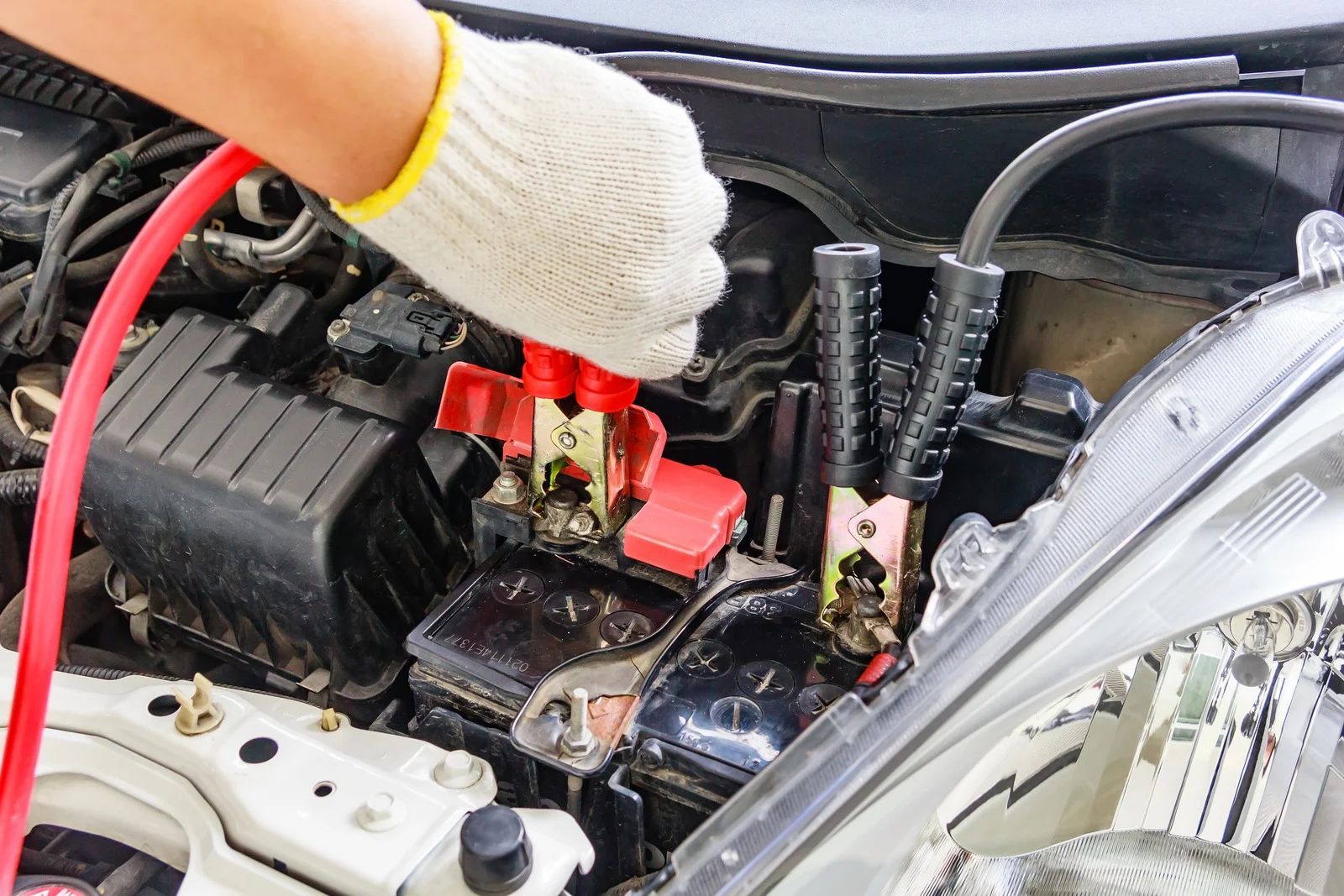
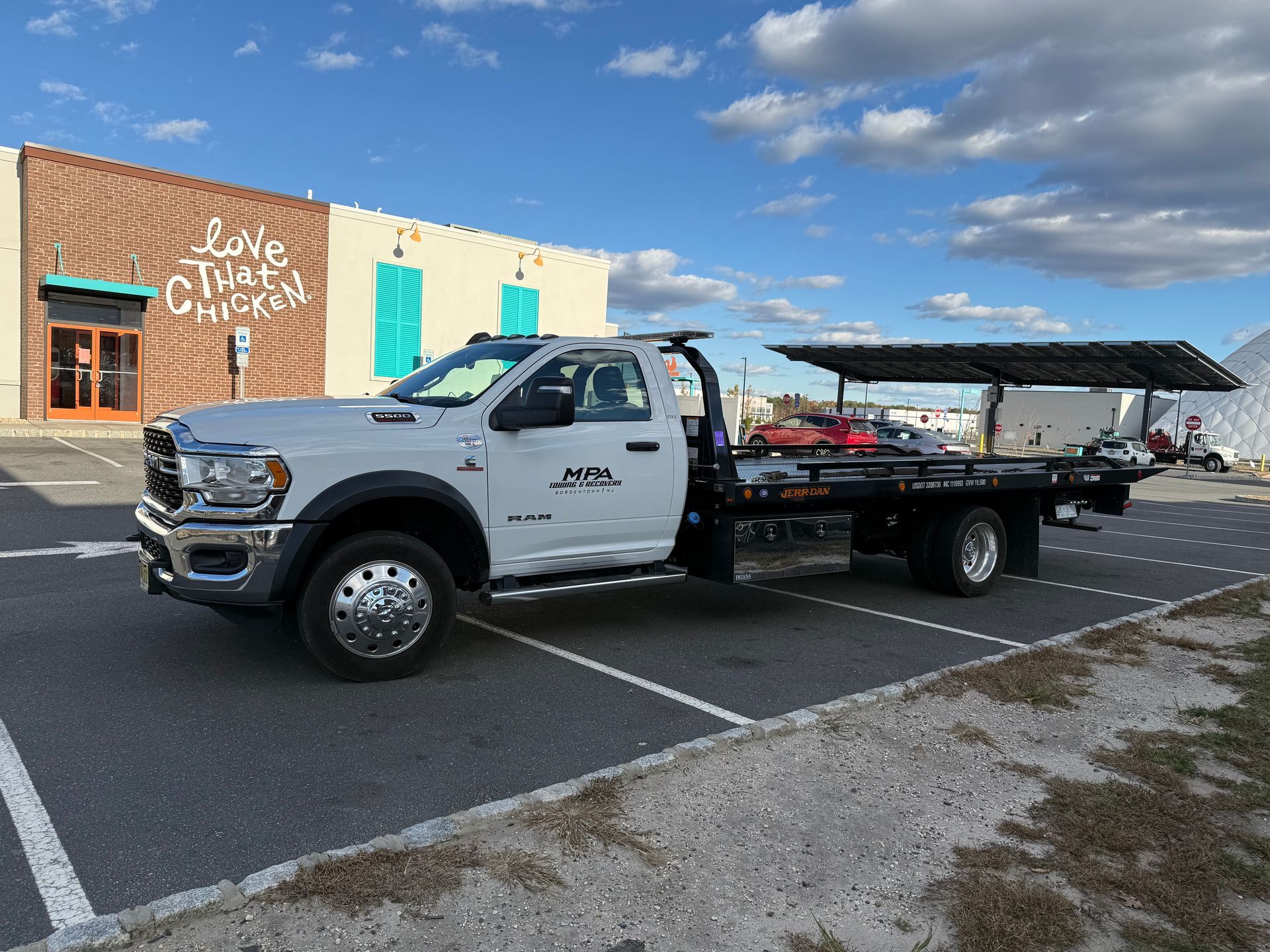
Most daily commuter vehicles fall into the light duty category. Flatbed tow trucks and wheel-lift tow trucks are frequently used for this type of towing because they provide safe transportation without placing unnecessary strain on the vehicle. Light duty towing is commonly requested after breakdowns, dead batteries, lockouts, flat tires, or minor accidents.
Drivers often benefit from light duty towing because it offers faster dispatch times, easier maneuverability in urban environments, and efficient transport for standard vehicles. These tow trucks can safely navigate parking garages, residential neighborhoods, apartment complexes, and congested traffic areas where larger tow vehicles may struggle to operate.
What Is Medium Duty Towing?
Medium duty towing is designed for larger vehicles that exceed the capabilities of standard light duty tow trucks. This category includes larger pickup trucks, delivery vans, utility trucks, small buses, work vehicles, RVs, box trucks, and commercial fleet vehicles that require additional towing strength and specialized equipment.
Medium duty tow trucks are built with stronger hydraulic systems, reinforced chassis components, larger wheel-lift systems, and increased towing capacities. These trucks are capable of handling heavier loads while maintaining safe balance and transport control during recovery operations.
Commercial vehicles frequently require medium duty towing because of their size, weight distribution, cargo capacity, and mechanical structure. Attempting to tow these vehicles using light duty equipment may create safety hazards, increase the risk of damage, and place excessive strain on towing systems.
Vehicle Types That Typically Require Light Duty Towing
Passenger Cars and Compact Vehicles
Most passenger vehicles on the road today qualify for light duty towing services. Compact sedans, economy cars, hybrid vehicles, and smaller electric vehicles can usually be transported safely using flatbed or wheel-lift towing systems. These vehicles are relatively lightweight and do not require heavy recovery equipment.
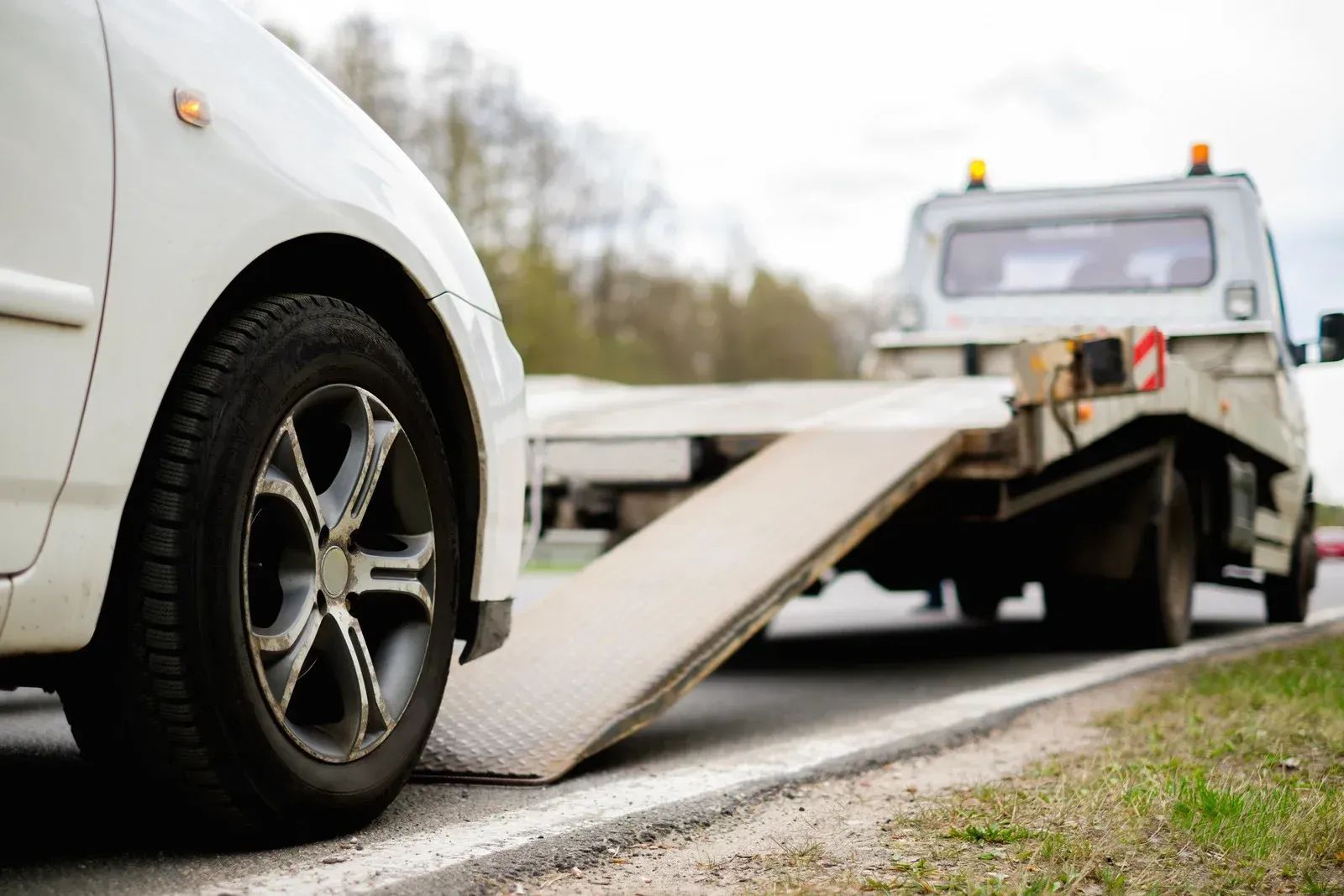
Flatbed towing remains one of the safest solutions for passenger vehicles because the entire vehicle is lifted off the ground during transport. This reduces wear on tires, suspension systems, and drivetrains while helping prevent accidental damage during long-distance towing.
SUVs, Crossovers, and Small Pickup Trucks
Many crossover SUVs and smaller pickup trucks also fall within the light duty category, depending on their overall weight and dimensions. Family SUVs commonly require light duty towing after overheating problems, transmission failures, tire blowouts, or roadside accidents.
However, vehicle modifications may affect towing classification. Oversized tires, lifted suspensions, aftermarket bumpers, and added cargo weight can sometimes push a vehicle beyond standard light duty towing limits. Drivers should always provide accurate vehicle information when requesting roadside assistance.
Motorcycles and Specialty Vehicles
Motorcycles require specialized light duty towing equipment that secures the bike properly during transport. Improper motorcycle towing can damage frames, handlebars, wheels, and suspension components. Professional towing operators use soft straps, wheel chocks, and flatbed systems specifically designed for motorcycle transportation.
Specialty vehicles such as sports cars, luxury vehicles, and low-clearance performance cars also benefit from professional light duty towing because these vehicles require careful loading procedures to prevent undercarriage damage and body scratches.
Vehicles That Commonly Require Medium Duty Towing
Commercial Vans and Work Trucks
Commercial vans and work trucks often exceed light duty towing limitations because of their larger frames, equipment storage systems, and heavier overall weight. Electricians, plumbers, contractors, delivery drivers, and utility companies commonly rely on medium duty towing after roadside breakdowns or accident situations.
These vehicles may carry tools, generators, ladders, equipment racks, or cargo loads that increase transportation complexity. Medium duty tow trucks provide the stability and lifting capacity necessary to transport these vehicles safely without creating imbalance during recovery.
Box Trucks and Delivery Vehicles
Box trucks and delivery vehicles are among the most common medium duty towing requests. Local delivery fleets, moving trucks, and service vehicles frequently experience heavy operational wear because of constant stop-and-go driving, cargo transportation, and high mileage usage.
Medium duty tow trucks are equipped to manage the higher center of gravity associated with box trucks and cargo vehicles. Proper towing techniques help reduce rollover risks and maintain safer recovery conditions on highways and busy commercial roads.
Recreational Vehicles and Small Buses
Many recreational vehicles, camper vans, shuttle buses, and small transport buses also require medium duty towing services. These vehicles present unique towing challenges because of their extended length, uneven weight distribution, and increased height clearance requirements.
Professional towing operators evaluate axle weight, towing angles, road conditions, and vehicle dimensions before beginning transport. Specialized recovery planning becomes especially important when towing RVs from campgrounds, steep driveways, or narrow roadways.
How Towing Professionals Determine the Correct Service
Vehicle Weight Classification
One of the most important factors in towing classification is gross vehicle weight rating, commonly referred to as GVWR. This measurement helps towing operators determine whether a vehicle qualifies for light duty or medium duty transport.
Light duty towing generally handles vehicles up to approximately 10,000 pounds, while medium duty towing covers vehicles exceeding those limits but remaining below heavy-duty commercial classifications. Accurate weight information helps towing companies dispatch appropriate equipment without delays.
Drivers can usually locate GVWR information inside the driver-side door panel or within vehicle documentation. Providing these details during a roadside assistance call helps improve response accuracy and recovery planning.
Vehicle Dimensions and Modifications
Towing professionals also evaluate vehicle height, wheelbase length, axle configuration, and modifications before selecting towing equipment. Lifted trucks, oversized commercial vans, and customized work vehicles may require medium duty towing even if the original factory model falls within light duty limits.
Low-clearance vehicles may require specialized flatbed loading techniques, while extended-wheelbase vans often need stronger wheel-lift systems for safe transportation. Professional assessment helps prevent damage during loading and unloading procedures.
Roadside Recovery Conditions
The recovery environment also influences towing classification decisions. A smaller vehicle trapped in mud, snow, or a roadside ditch may require stronger recovery equipment than standard towing situations. Accident recovery involving rollovers or severe vehicle damage may also increase towing complexity.
Towing professionals evaluate traffic conditions, roadway angles, weather exposure, vehicle accessibility, and structural damage before determining the safest recovery method for each situation.
Dedicated Towing Assistance Focused On Safe Vehicle Transport
Understanding the difference between light duty towing and medium duty towing helps drivers make safer, faster, and more informed roadside decisions when unexpected vehicle problems occur. Selecting the correct towing category protects vehicles from additional damage, improves transportation safety, and reduces unnecessary delays during stressful emergencies. Passenger cars, motorcycles, compact SUVs, commercial vans, box trucks, and recreational vehicles all require specific towing approaches based on weight, dimensions, and recovery conditions. Professional towing services help ensure every vehicle receives the right equipment and handling procedures for safe roadside recovery and transportation.
At MPA Towing & Recoverywe provide dependable towing and roadside assistance services throughout Bordentown and Hamilton, New Jersey with Over a decade
of hands-on industry experience. We understand the unique recovery challenges associated with both light duty and medium duty towing situations, from passenger vehicle breakdowns to commercial fleet transportation needs. Our focus remains centered on safe recovery practices, responsive service, professional handling, and reliable roadside support for local drivers and businesses. We use properly equipped tow trucks, trained recovery methods, and careful transport planning to help protect vehicles while reducing roadside stress for our customers across the region.