What Counts as Light Duty Towing? A Driver's Guide to Vehicle Weight Classes and Tow Types
Vehicle towing is not a one-size-fits-all service. Every roadside situation demands a clear understanding of vehicle weight, towing capacity, and the correct recovery method. Among these categories, light duty towing is the most commonly used service, yet it is often misunderstood by drivers. Knowing what qualifies as light duty towing helps vehicle owners make informed decisions during breakdowns, accidents, or roadside emergencies. It also reduces confusion when immediate roadside assistance is required under stressful conditions.
Light duty towing typically involves smaller passenger vehicles, but the classification goes beyond simple size assumptions. It is defined by weight limits, vehicle structure, and towing equipment compatibility. Without this clarity, incorrect towing methods can lead to damage, safety risks, or delays in recovery. For drivers, understanding these distinctions ensures better preparedness and smoother roadside assistance experiences. It also helps in communicating clearly with towing professionals during emergency situations.
In today’s fast-paced transportation environment, towing services play a crucial role in maintaining road safety and traffic flow. From compact cars to small SUVs, light duty towing covers a wide range of everyday vehicles. This guide explains vehicle weight classes, tow types, operational methods, and real-world applications. It also helps drivers recognize when light duty towing is appropriate and how it differs from medium and heavy duty recovery services used for larger commercial vehicles and equipment. Awareness of these differences supports safer and more efficient roadside decision-making.
Understanding Vehicle Weight Classes
Gross Vehicle Weight Rating (GVWR) Basics
Vehicle weight classification starts with GVWR, which represents the maximum safe operating weight of a vehicle, including passengers, cargo, and fuel. Light duty towing generally applies to vehicles with a GVWR of up to 10,000 pounds. This category includes most standard passenger cars, small trucks, and compact SUVs. Understanding this limit helps determine towing compatibility and equipment selection properly.
Why Weight Classification Matters
Weight classification is not just a technical detail; it directly impacts towing safety. Exceeding towing limits can strain recovery vehicles, damage transmission systems, or create unstable loading conditions. Proper classification ensures balanced load distribution and reduces risks during transport. It also allows towing operators to select the correct method, such as flatbed or wheel-lift systems, based on structural requirements.
Common Vehicle Types in Light Duty Range
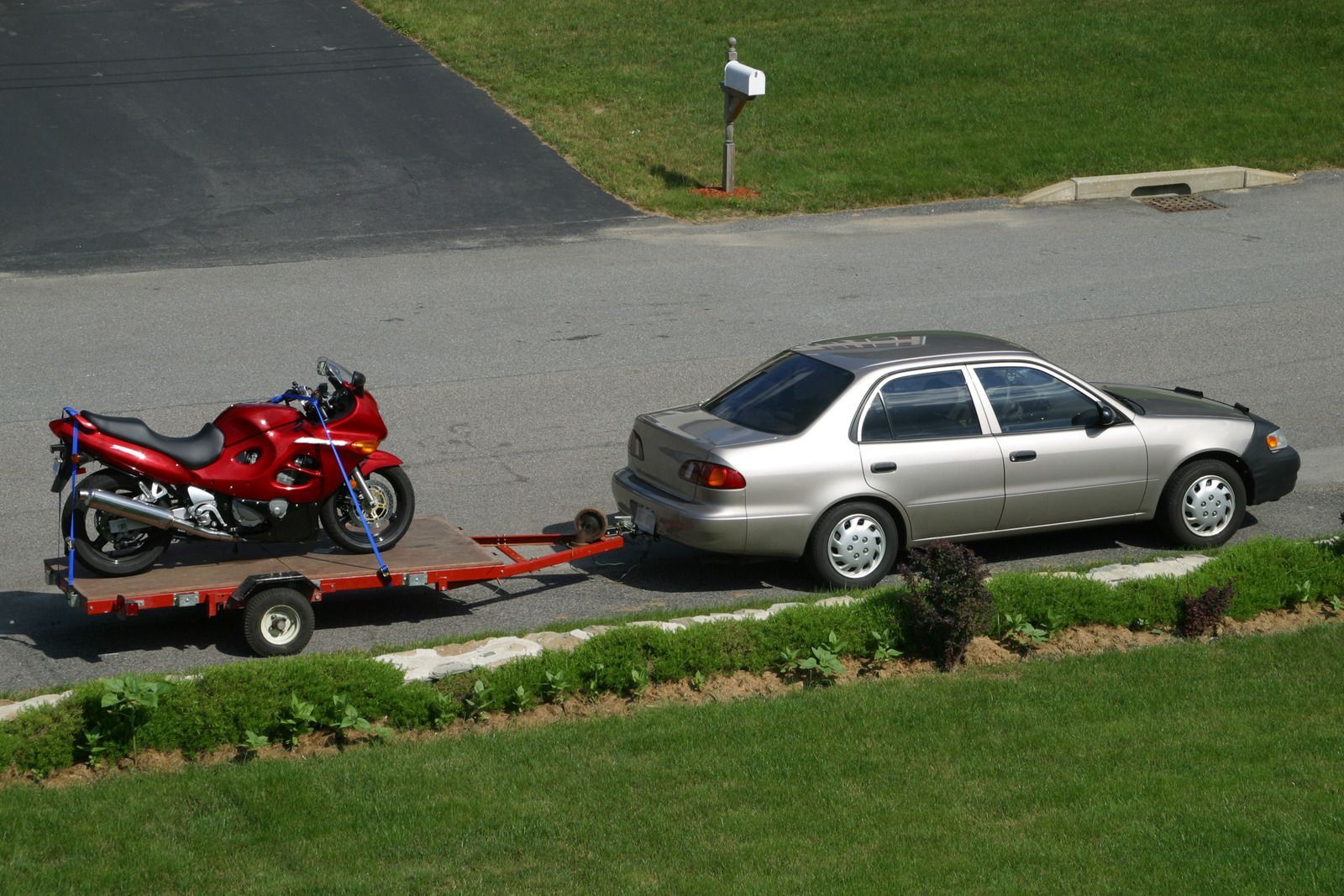
Typical vehicles under this category include sedans, hatchbacks, motorcycles, crossover SUVs, and light pickup trucks and are commonly used in urban and suburban driving environments worldwide today's roads today. These vehicles are designed for everyday transportation rather than heavy hauling or commercial use. Because of their moderate weight, they are easier to secure and transport using standard towing equipment.
What Defines Light Duty Towing
Core Definition and Scope
Light duty towing refers to the recovery and transport of smaller vehicles using tow trucks designed for limited weight capacity. This service focuses on quick roadside assistance, accident recovery, and vehicle relocation. It is the most frequently used towing category due to the high number of passenger vehicles on the road.
Weight and Capacity Limits
The defining factor is weight, typically capped at around 10,000 pounds GVWR. Tow trucks used in this category are built with hydraulic systems and towing arms capable of safely handling these loads. Staying within this limit ensures mechanical stability and prevents equipment failure during transport while maintaining safe operational standards on highways and urban recovery routes at all times.
Operational Environment
Light duty towing is commonly used in urban areas, highways, residential streets, and parking lots. It is designed for quick response situations such as breakdowns, flat tires, dead batteries, and minor collisions. The versatility of this service makes it essential for daily roadside assistance operations especially in regions with high traffic density and unpredictable vehicle breakdown scenarios frequently observed.
Key Differences from Other Tow Types
Unlike medium or heavy duty towing, light duty services do not involve commercial trucks, buses, or construction equipment. Those require specialized rigs with higher torque and reinforced frames making them suitable for large commercial recovery operations specifically. Light duty towing prioritizes speed, accessibility, and vehicle safety for everyday drivers ensuring quick response and minimal roadside disruption overall in emergencies.
Light Duty Tow Methods and Equipment
Flatbed Towing Systems
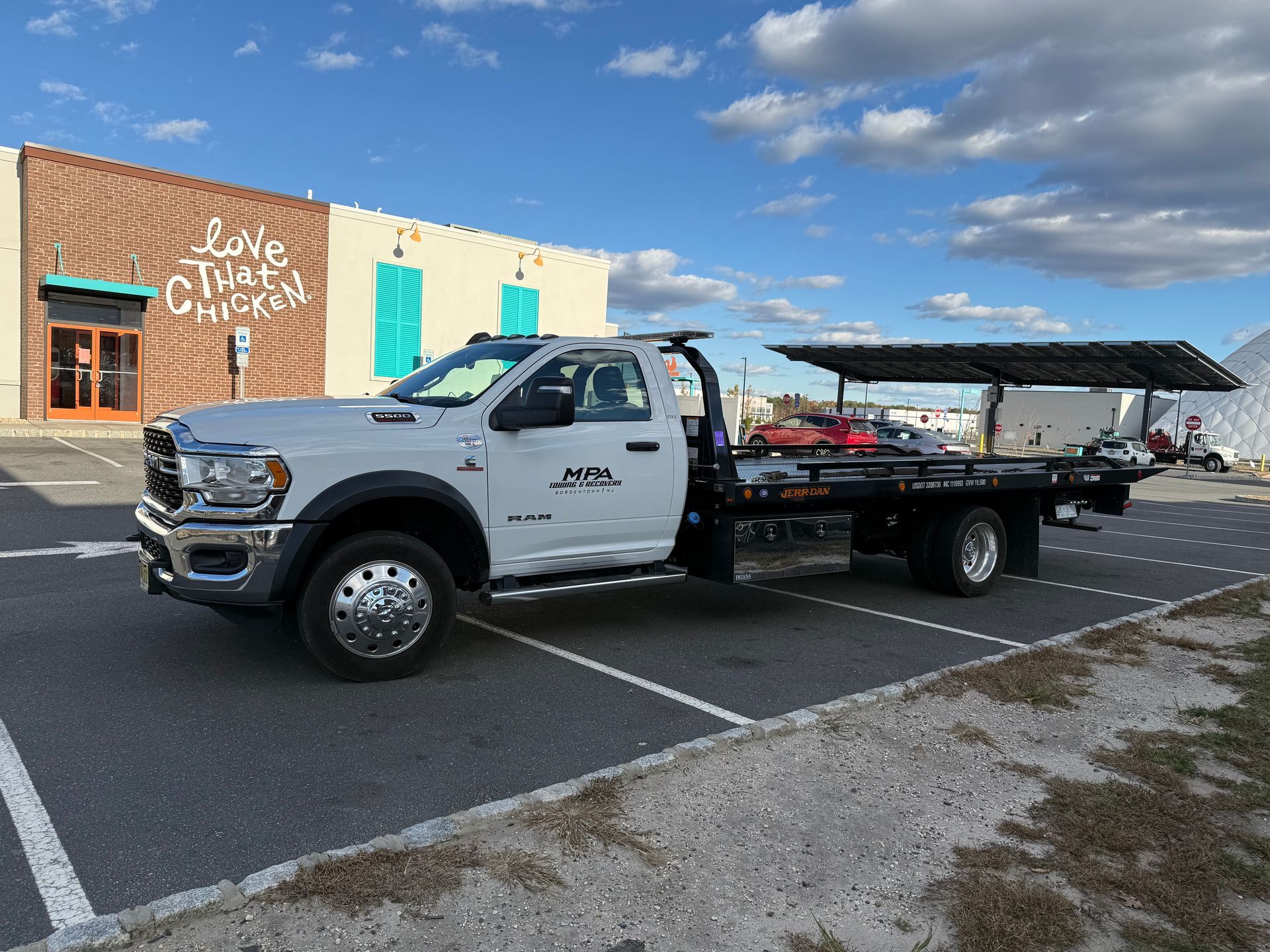
Flatbed towing is one of the safest methods used in light duty recovery especially in situations requiring maximum vehicle protection during transport operations consistently applied. The entire vehicle is placed on a hydraulic platform, eliminating wheel contact with the road. This method reduces wear and prevents drivetrain damage, making it ideal for luxury cars, all-wheel-drive vehicles, and accident-damaged units.
Wheel-Lift Towing Technique
Wheel-lift towing uses a metal yoke to lift either the front or rear wheels off the ground while the remaining wheels roll on the road. This method is faster and more efficient for short-distance towing making it a preferred choice in urban towing operations where speed matters greatly. It is commonly used for parking violations, breakdowns, and quick relocations.
Hook and Chain Systems
Although largely outdated for modern vehicles, hook and chain systems may still appear in specific recovery scenarios and is generally limited to older or salvage vehicle recovery situations in controlled environments only restricted usage. This method involves securing the vehicle with chains and lifting one end. Due to potential body damage, it is rarely used for newer passenger vehicles.
Dolly Towing for Flexibility
Tow dollies lift the front wheels of a vehicle while the rear wheels remain on the road. This method is useful for front-wheel-drive vehicles and short-distance transport making it suitable for controlled towing situations where full flatbed service is not required or available commonly in roadside assistance operations cases. It provides a balance between cost efficiency and vehicle protection.
When Light Duty Towing Is Used
Breakdown Situations
Mechanical failures such as engine overheating, transmission issues, or electrical faults often require immediate towing. Light duty towing ensures safe transport to repair facilities without further vehicle damage especially when on-site repair services are unavailable or unsafe to perform under roadside conditions immediately.
Road Accidents and Minor Collisions
Even minor accidents can make vehicles unsafe to drive. Light duty towing is used to clear damaged cars from roads quickly, improving traffic flow and ensuring safety for other drivers particularly in urban traffic environments where quick clearance is essential supporting safer roadway conditions for all motorists involved overall.
Flat Tires and Dead Batteries
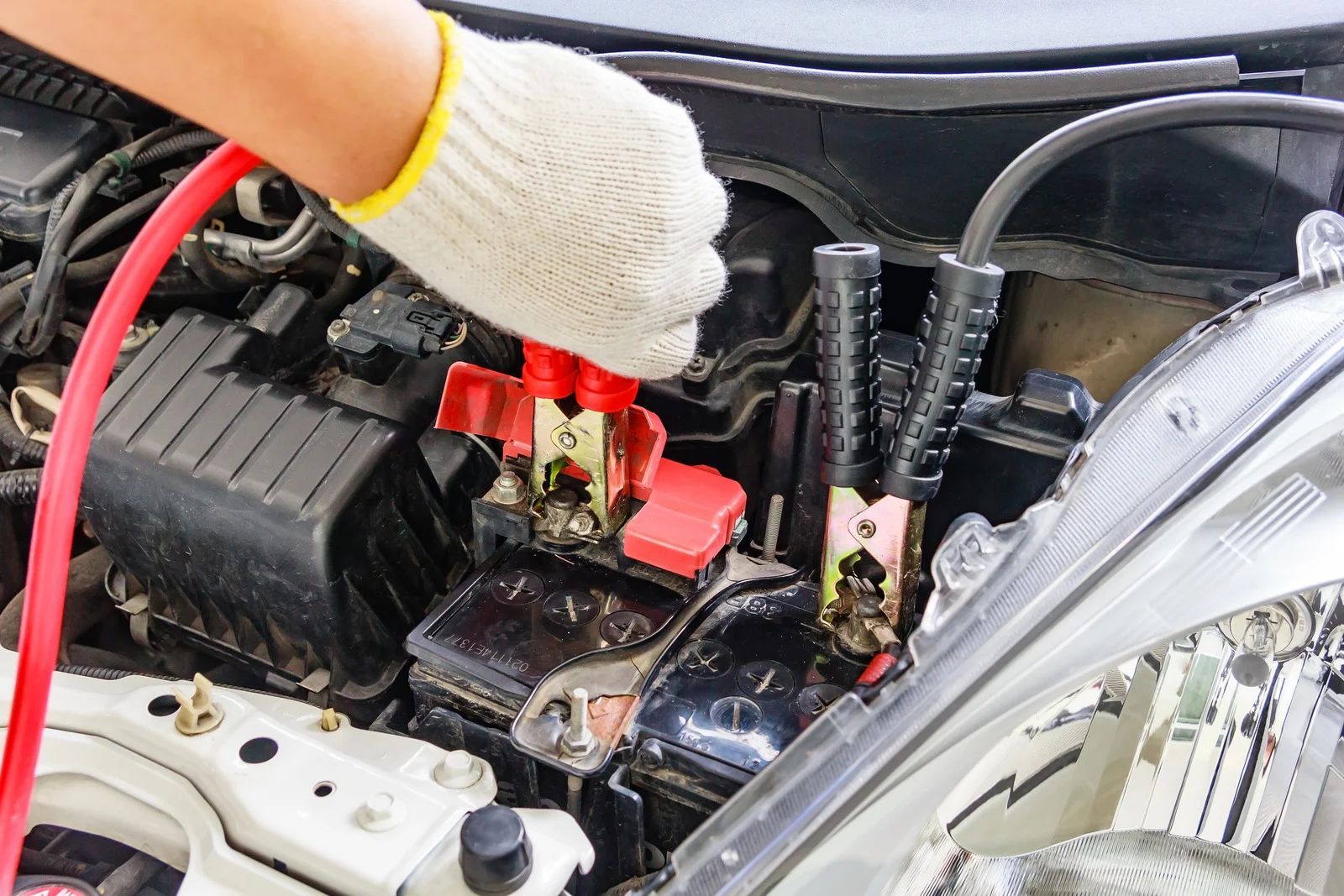
Common roadside issues like flat tires or battery failure often lead to towing requests when on-site repairs are not possible. In such cases, quick-response light duty services provide essential assistance ensuring timely recovery support even during peak traffic or adverse weather conditions situations present.
Vehicle Relocation Needs
Light duty towing is also used for transporting vehicles between locations, including dealership transfers, impound recovery, or private relocation. This ensures safe movement without adding mileage or wear making it ideal for long-distance transfers and controlled logistical vehicle handling operations within networks efficiently.
Safety, Regulations, and Best Practices
Importance of Proper Equipment Handling
Safe towing depends on correct equipment usage, including secure straps, hydraulic lifts, and balanced loading requiring trained operators who understand load distribution, safety protocols, and towing system limitations thoroughly for consistent performance always in real operations.
Compliance with Road Safety Standards
Towing operations must follow transportation safety regulations, including weight limits, lighting requirements, and secure loading procedures. These standards protect both operators and motorists across all towing operations and recovery environments consistently ensuring dependable roadside safety outcomes for drivers everywhere.
Driver Awareness and Preparedness
Drivers benefit from understanding basic towing classifications. This awareness helps in selecting the right service during emergencies and avoiding unnecessary delays or damage. Knowing when light duty towing is appropriate improves decision-making and ensures smoother roadside assistance experiences overall.
Choosing the Right Towing Support
Selecting a qualified towing service ensures professional handling, proper equipment use, and timely response. Experience and operational knowledge play a key role in effective vehicle recovery, ensuring safety, reliability, and efficiency in every roadside situation encountered.
Reliable MPA Towing Roadside Assistance Professional Care
Light duty towing plays a vital role in everyday roadside assistance by ensuring safe recovery of common passenger vehicles. Understanding weight classes, towing methods, and operational scenarios helps drivers make informed decisions during unexpected breakdowns or accidents. This knowledge reduces risks, prevents vehicle damage, and improves overall road safety outcomes.
Clear awareness of tow types also ensures that vehicles are handled using the correct equipment and procedures. From flatbed transport to wheel-lift recovery, each method serves a specific purpose based on vehicle condition and weight classification. Proper application of these techniques ensures efficiency and reliability in roadside support services.
MPA Towing & Recovery
provides dependable light duty towing solutions designed to meet everyday roadside needs with precision and care. With a strong focus on safety, response time, and professional handling, we ensure each vehicle is treated with attention from dispatch to delivery. Based in Bordentown and Hamilton, New Jersey, and Over a decade
of experience, we deliver consistent support across a wide range of roadside situations. Our commitment to reliable service, modern equipment, and skilled execution positions us as a trusted choice for drivers seeking secure and efficient towing assistance when it matters most.