Towing vs. Roadside Assistance: What's the Difference?
When your vehicle encounters trouble on the road, knowing which type of service to call can save you time, money, and stress. Two of the most common options available to motorists are towing services and roadside assistance. While these services are often used interchangeably in casual conversation, they serve distinct purposes and offer different solutions for drivers in need. Understanding the difference can ensure you get the right help for your situation, whether you are dealing with a simple battery issue or a complete vehicle breakdown.
Towing services and roadside assistance each play a critical role in modern vehicle support. Towing primarily focuses on transporting vehicles that cannot be safely driven, while roadside assistance covers minor mechanical and emergency services that allow a driver to continue their journey. Misunderstanding these differences can lead to unnecessary expenses or delayed help when you need it most. This blog will provide an in-depth look at both services, examining their functions, benefits, typical scenarios, and practical considerations. By the end, you will have a clear understanding of which option is suitable for various situations, empowering you to respond effectively during vehicle emergencies.
1. Understanding Towing Services
What Towing Services Include
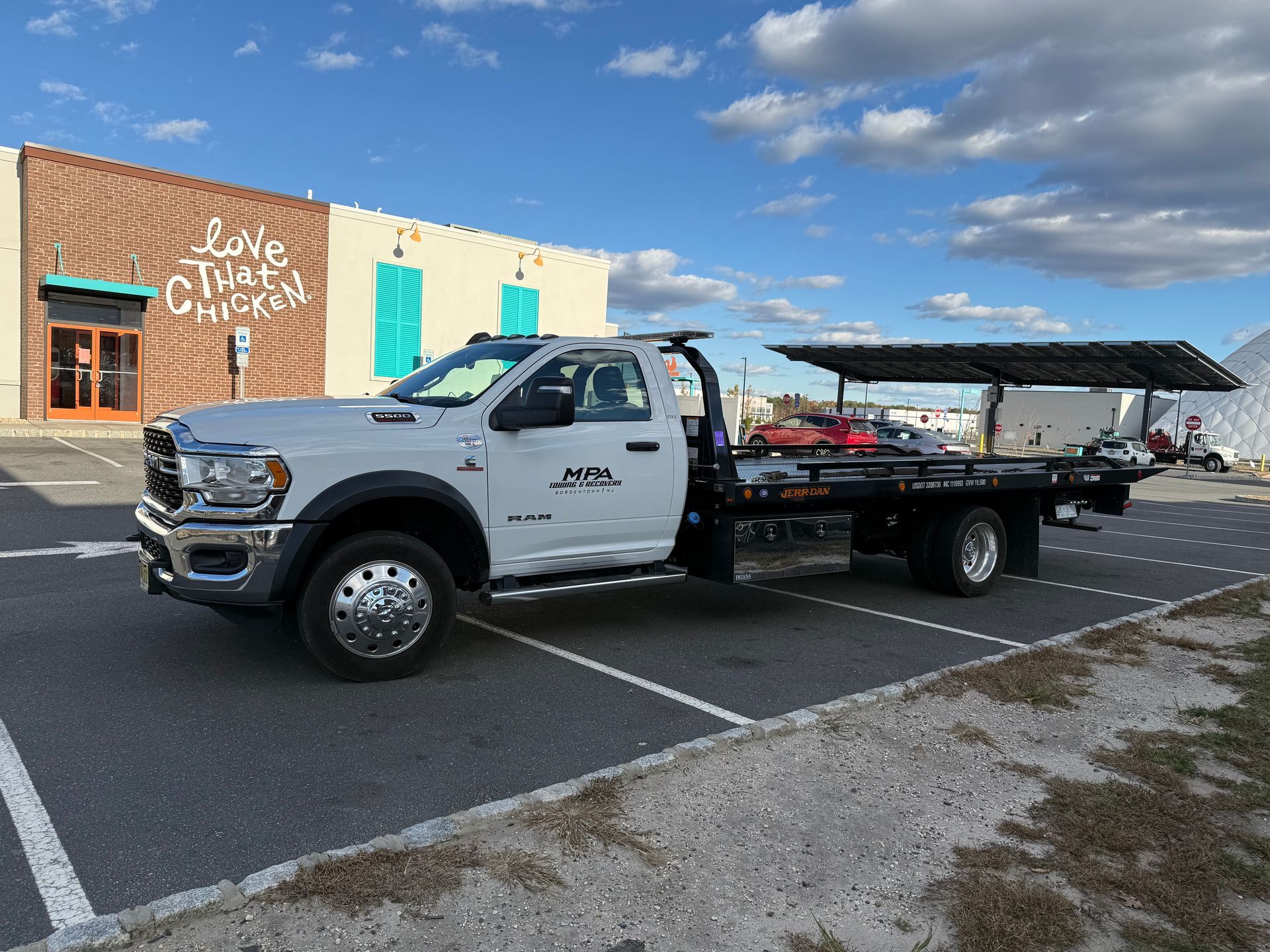
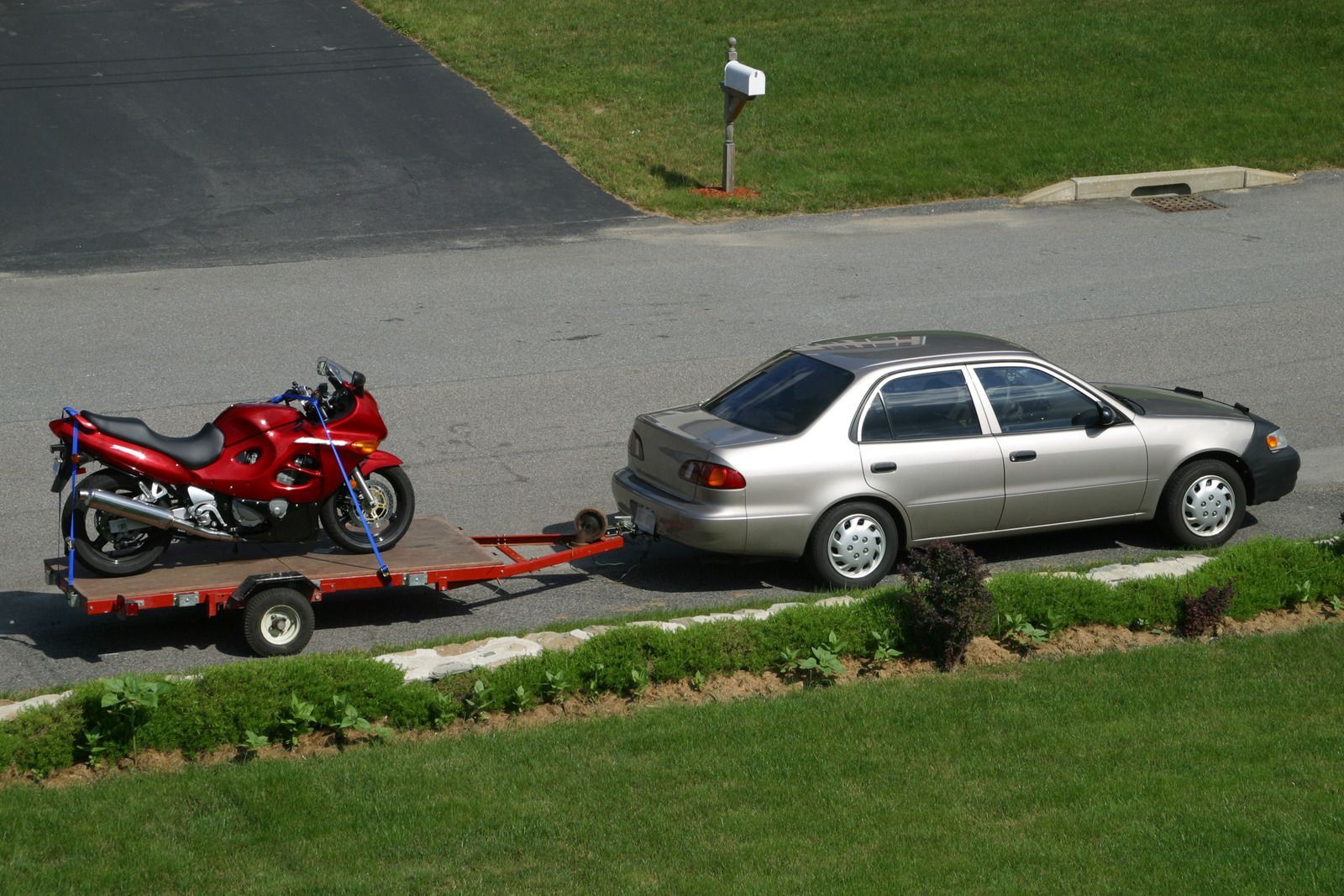
Towing services are primarily designed for vehicles that are immobilized and cannot be driven safely to a repair shop or home. This can include cars that have broken down due to mechanical failure, vehicles involved in accidents, or even cars that are stuck in difficult locations such as ditches or tight parking areas. Tow trucks come in different types, including flatbed, wheel-lift, and hook-and-chain models, each suited for specific towing requirements. Flatbed towing is often the safest method for long-distance transport, while wheel-lift towing is more suitable for local, short-distance moves.
Real-World Scenarios
Imagine your car overheats on a busy highway. Attempting to drive it further could worsen the damage, resulting in costly repairs. A towing service will safely transport your vehicle to a mechanic, minimizing additional damage. Similarly, after a collision, towing ensures the car is moved without further risk to the driver or other motorists.
Benefits of Towing Services
Towing guarantees safety and reduces the risk of aggravating mechanical issues. It is an essential service for serious vehicle failures that cannot be repaired on-site. Towing also prevents hazards on the road, as broken-down vehicles can pose significant risks in high-traffic areas.
Challenges to Consider
Towing services are typically more expensive than basic roadside assistance due to the equipment and labor involved. Response times can vary based on location and availability of tow trucks, which may be a concern in remote areas. Additionally, not all towing companies provide long-distance towing, so it is important to clarify coverage before an emergency arises.
2. Understanding Roadside Assistance
What Roadside Assistance Includes
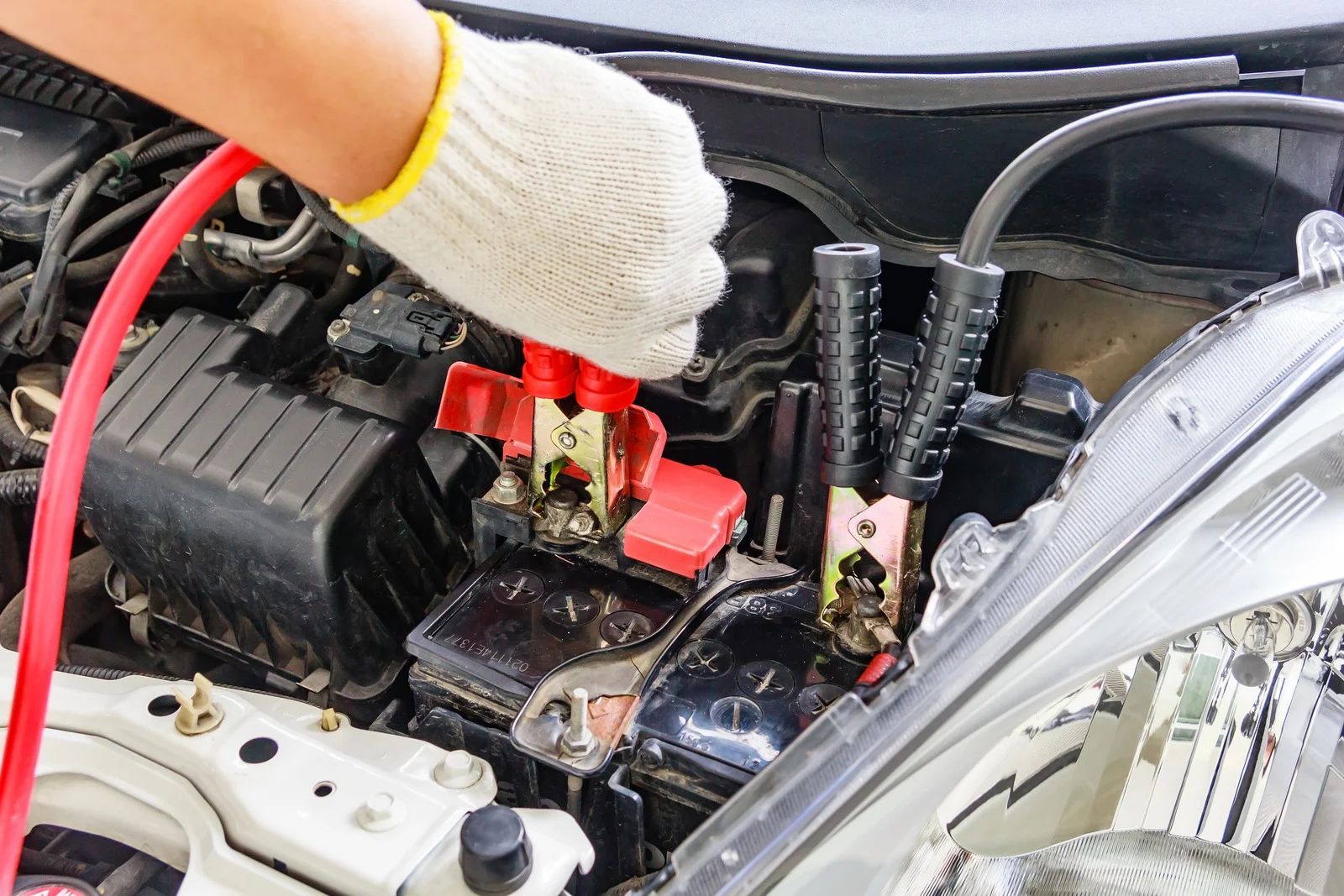
Roadside assistance is a service designed to help drivers with minor vehicle issues that can be resolved without moving the car to a repair facility. Common services include jump-starting a dead battery, changing flat tires, delivering fuel, unlocking vehicles, and minor on-the-spot repairs. These services are usually quick and cost-effective, allowing drivers to resume their journey without significant delays.
Real-World Scenarios
For instance, a driver running late to work discovers their car battery is dead. Roadside assistance can provide a jump-start, enabling the vehicle to start immediately. Another scenario might involve a flat tire on a suburban street; instead of waiting hours for a tow, roadside technicians can replace the tire with a spare and allow the journey to continue.
Benefits of Roadside Assistance
The main advantage is convenience. Roadside assistance is often included in insurance packages, vehicle warranties, or membership programs, making it a low-cost safety net. It provides fast solutions to common vehicle emergencies, minimizes downtime, and reduces the stress associated with minor breakdowns.
Limitations
While roadside assistance is versatile, it cannot resolve major mechanical failures. For example, if the engine seizes or the transmission fails, the service will likely end with a recommendation for towing. Understanding these limitations is crucial to avoid relying on roadside assistance in situations where a tow is necessary.
3. Key Differences Between Towing and Roadside Assistance
Scope of Service
The most significant distinction lies in the scope. Towing is a transport service for vehicles that cannot operate safely, while roadside assistance focuses on temporary, on-site solutions that allow the vehicle to continue its journey. Roadside assistance handles minor problems, whereas towing is suited for serious mechanical failures or accident recovery.
Equipment and Resources
Towing requires specialized trucks, often staffed with skilled operators trained to handle heavy equipment and secure vehicles safely. Roadside assistance, on the other hand, involves lighter tools, such as tire-changing kits, jumper cables, fuel containers, and lockout devices. The equipment difference reflects the nature and severity of the problems each service addresses.
Cost Considerations
Towing services are generally more expensive, especially for long-distance or emergency requests. Roadside assistance is usually more affordable and sometimes included in auto insurance policies or car manufacturer programs. Consumers benefit from knowing when to choose the cost-effective option versus when safety necessitates a tow.
Response Time and Accessibility
Roadside assistance often offers faster response times for minor issues because they require less equipment and fewer logistical preparations. Tow trucks may take longer to reach certain locations, particularly in urban areas with traffic or rural areas with limited service coverage. Understanding these differences can help drivers plan their expectations during emergencies.
4. When to Choose Towing vs. Roadside Assistance
Situations Requiring Towing
- Severe Mechanical Failure: Engine or transmission damage preventing the vehicle from operating.
- Accidents or Collisions: Vehicles that are unsafe to drive post-accident.
- Immobilized Vehicles: Cars stuck in ditches, snow, mud, or other challenging conditions.
Choosing towing in these cases protects the vehicle from further damage and ensures safety for the driver and others on the road.
Situations Suited for Roadside Assistance
- Dead Battery: Quick jump-starts can restore vehicle function.
- Flat Tire Replacement: Using a spare tire or temporary fix to continue driving.
- Fuel Delivery: Running out of gas without being stranded for hours.
- Lockouts: Regaining access to a locked vehicle without damage.
Understanding these scenarios allows drivers to make informed decisions, saving time and avoiding unnecessary expenses.
Expert Tips for Drivers
- Keep the contact information of both towing services and roadside assistance providers in your vehicle or phone.
- Consider memberships or insurance plans that include roadside assistance for cost-effective support.
- Know your vehicle’s limitations and safety concerns; do not attempt to drive a seriously compromised car.
5. Cost, Insurance, and Membership Considerations
Comparing Costs
Towing costs vary depending on distance, type of tow, and time of day. Local tows are usually more affordable, while long-distance or emergency night tows carry premium rates. Roadside assistance services are typically included in car insurance or manufacturer programs, often limiting costs to a small fee or even providing the service at no additional charge.
Insurance Coverage
Many auto insurance policies offer roadside assistance as an optional add-on, covering services such as battery jump-starts, tire changes, and lockout assistance. Towing coverage can also be included, often with a set mileage limit. Understanding your policy ensures you do not pay out-of-pocket unnecessarily.
Membership Programs
Organizations like AAA or other vehicle clubs provide comprehensive roadside assistance packages, including towing within certain distance limits. These memberships can save money and provide peace of mind for drivers who frequently travel.
Budgeting for Emergencies
It is essential to factor in both potential towing and roadside assistance costs when planning vehicle expenses. A mix of insurance coverage, membership benefits, and knowledge of local providers ensures drivers are prepared for both minor and major breakdowns.
6. Best Practices for Vehicle Emergencies
Safety First
Whenever a vehicle breaks down, ensure personal safety by moving off the road, using hazard lights, and staying inside the vehicle if in a dangerous location. Safety should always be prioritized over attempting repairs that could cause injury.
Assessing the Situation
Before calling a service, assess whether the issue is minor or severe. Quick evaluation can determine whether roadside assistance or towing is the appropriate solution.
Preparing for Calls
Provide accurate information to the service provider, including location, vehicle type, and a brief description of the problem. This helps them arrive prepared with the right tools or equipment.
Maintaining Vehicle Health
Preventative maintenance reduces the likelihood of requiring towing or roadside assistance. Regular inspections, oil changes, tire rotations, and battery checks minimize the risk of unexpected breakdowns.
Leveraging Technology
Many apps now allow drivers to request towing or roadside assistance quickly, track the arrival of service vehicles, and estimate costs in advance. Using technology can streamline the process and reduce stress during vehicle emergencies.
Expert Vehicle Support Guidance for Roadside Emergencies
For drivers in Bordentown and Hamilton, New Jersey, having a trusted, experienced partner for towing and roadside emergencies is invaluable. MPA Towing & Recovery brings over 10 years of dedicated service to the community, specializing in both comprehensive towing and rapid roadside assistance. Whether you experience a mechanical failure, an accident, or a minor roadside issue, MPA Towing & Recovery provides timely, professional support that ensures your safety and vehicle protection.
The team at MPA Towing & Recovery
understands the stress that comes with vehicle breakdowns. With advanced equipment, skilled operators, and a customer-focused approach, they handle every situation with efficiency and care. From short local tows to emergency roadside services, their solutions are designed to get you back on the road quickly and safely. Over a decade of experience has built a reputation for reliability and professionalism, making MPA Towing & Recovery
the go-to choice for drivers seeking peace of mind in roadside emergencies. By choosing a trusted, experienced provider, you are not only securing timely assistance but also protecting your vehicle and well-being on every journey.