Dead Battery in a Parking Lot? What a Jump-Start Can and Can't Fix
Quick Answer: A jump-start restarts a car with a battery that's low on charge but still holds one, giving the alternator a chance to take over once the engine runs. It won't help if the battery itself is worn out, if the alternator isn't charging, or if a parasitic drain keeps pulling power while the car sits. If the engine dies again within a few minutes of the cables coming off, or won't turn over at all after a jump, the problem is bigger than a low charge. A short drive of 20 to 30 minutes after a successful jump lets the alternator rebuild the charge, but a battery that's three to five years old and needed a jump once will likely need one again soon.
You turn the key in a half-empty parking lot, and instead of the engine catching, you get a clicking sound or nothing at all. Maybe it's a supermarket lot on Route 130, maybe it's a parking deck in Trenton after a Thursday night shift. Either way, the dashboard lights flicker weak and dim, and you're standing there running through the last few days trying to remember if you left the dome light on.
A jump-start is the fix everyone reaches for first, and most of the time it works. But it doesn't work for every kind of "won't start," and knowing the difference before you call someone or flag down a stranger with cables saves you from standing in a cold lot twice in one week.
What a Jump-Start Actually Does
A jump-start doesn't put a full charge into your battery. It borrows just enough voltage from a healthy battery, whether that's another car or a portable jump box, to spin your starter motor and get the engine running. Once the engine catches, your car's own alternator takes over, and that's the part that actually recharges the battery while you drive.
The battery has to be capable of holding a charge
If the cells inside are worn out from age or sulfation buildup, a jump gives you a spike of power that fades again within minutes. You might get the car started, only to have it die again at the next red light.
The connection has to be clean
Corroded terminals, the white or greenish crust you sometimes see building up around the posts, can block enough current that a jump either fails outright or barely manages to turn the engine over. A quick wipe with a wire brush before you connect the cables solves more no-start calls than people expect.
The alternator has to be working
This is the part people miss. A jump gets you moving, but if the alternator isn't charging the battery back up as you drive, you're on borrowed time. The car that started fine in the parking lot might die again five miles down the road, and this time nobody's around with cables.
Signs a Jump-Start Solved the Real Problem
Sometimes the fix really is that simple. If your battery died because you left the headlights on overnight, or a door stayed slightly ajar and the interior light drained things down, a jump-start is genuinely all you need. The car starts, runs smoothly, and the dash lights come back to normal brightness.
Drive it for at least 20 to 30 minutes afterward. This gives the alternator time to push real charge back into the battery instead of just idling in the parking lot, which barely recharges anything. Highway driving or a steady stretch of Route 206 does more good than five minutes of stop-and-go.
Watch how it behaves the next morning. A battery that was just low from a one-time drain should start normally again. One that struggles a second time, even after a full day of driving in between, is telling you something about its actual health, not just a fluke overnight drain.
Signs the Jump-Start Didn't Fix Anything
The car dies again within minutes
If the engine catches, runs for a bit, and then stalls once you disconnect the cables or pull out of the space, that points toward the alternator, not the battery. A battery problem usually shows up as a slow crank or no crank at all. An alternator problem often looks like the car running fine right up until it isn't.
Dim or flickering interior lighting while driving
Headlights that dim noticeably when you turn on the heater or the radio, or dashboard lights that pulse instead of holding steady, suggest the alternator isn't supplying consistent power. A jump-started battery running on a failing alternator is essentially running on a countdown clock.
A whining or grinding sound under the hood
Some alternator failures come with a mechanical noise, a bearing wearing out or a belt slipping, that you'll hear before the electrical symptoms show up. If you noticed a new noise in the days before the no-start, mention it to whoever looks at the car next.
The battery is three to five years old and this isn't the first time
Most car batteries last three to five years, shorter in extreme heat and slightly longer in milder climates. If this is the second or third jump in recent months, replacement is the more honest answer, not another jump.
Tip:
Keep a set of jumper cables or a portable jump box in your trunk year-round. Central Jersey winters and the humid stretch of a Bordentown summer are both hard on battery chemistry, and having your own set means you're not relying on finding another driver willing to help at ten at night.
Not every no-start is battery related at all. A dead-sounding click can also come from a bad starter motor or a loose ground wire, neither of which a jump-start touches. If cables are connected properly to a good source and the car still won't turn over at all, not even a weak crank, that's a sign to stop trying the same fix twice and get someone who can actually diagnose it.
What to Do While You're Stuck in the Lot
Pull the emergency brake, put the car in park, and turn off anything pulling power, the radio, the AC, your phone charger. Pop the hood before help arrives so whoever's jumping the battery isn't fumbling with a stuck latch in the dark. If you're parked somewhere without much lighting, turn on your hazards so you're visible to other cars moving through the lot.
Warning: Never attempt a jump-start on a battery that looks cracked, swollen, or is leaking fluid. A damaged battery can vent hydrogen gas, and connecting cables to it risks a spark near that gas. If the battery looks off in any way, don't touch it, and don't let anyone else touch it either. Call for a tow or professional roadside help instead.
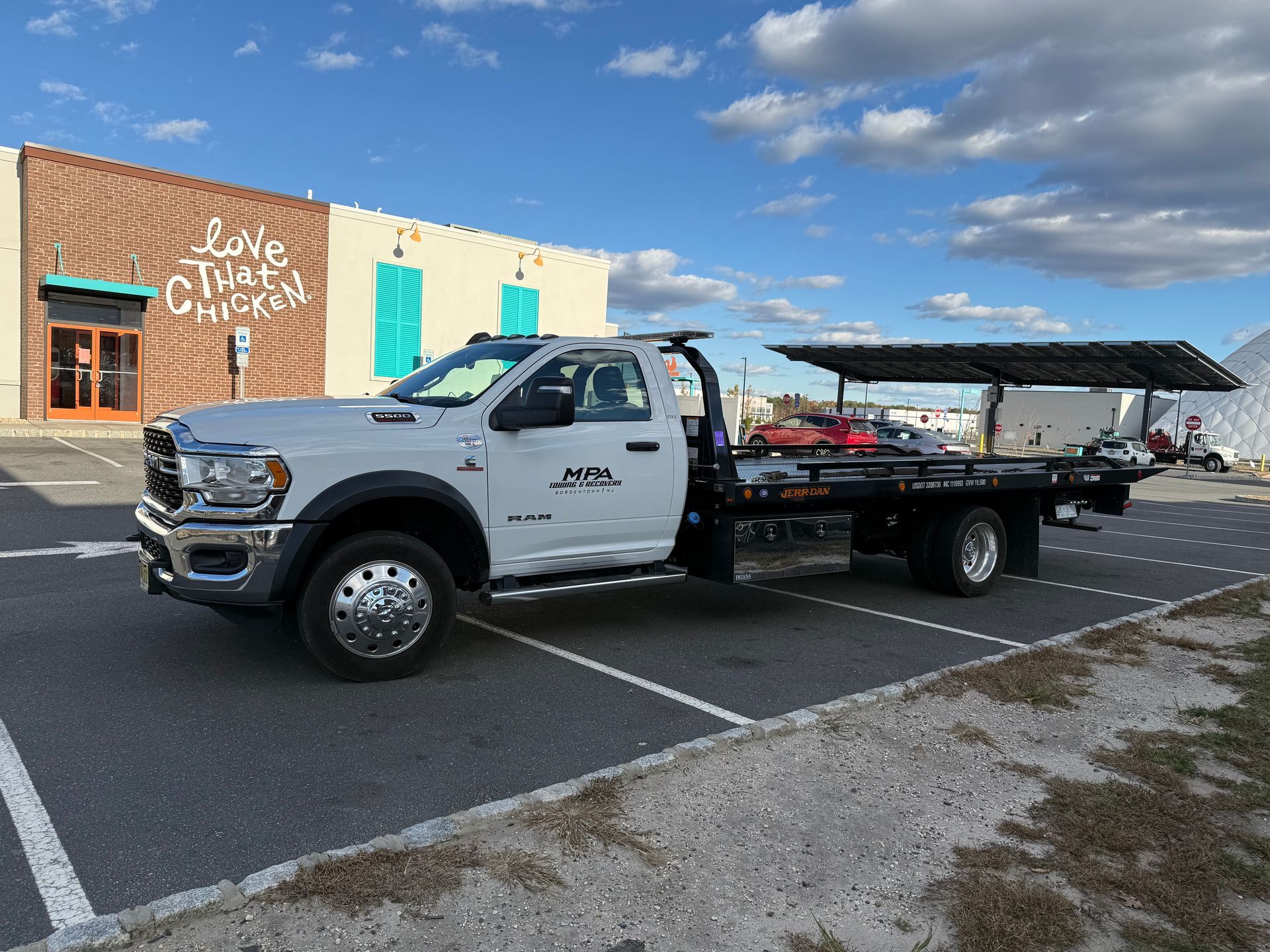
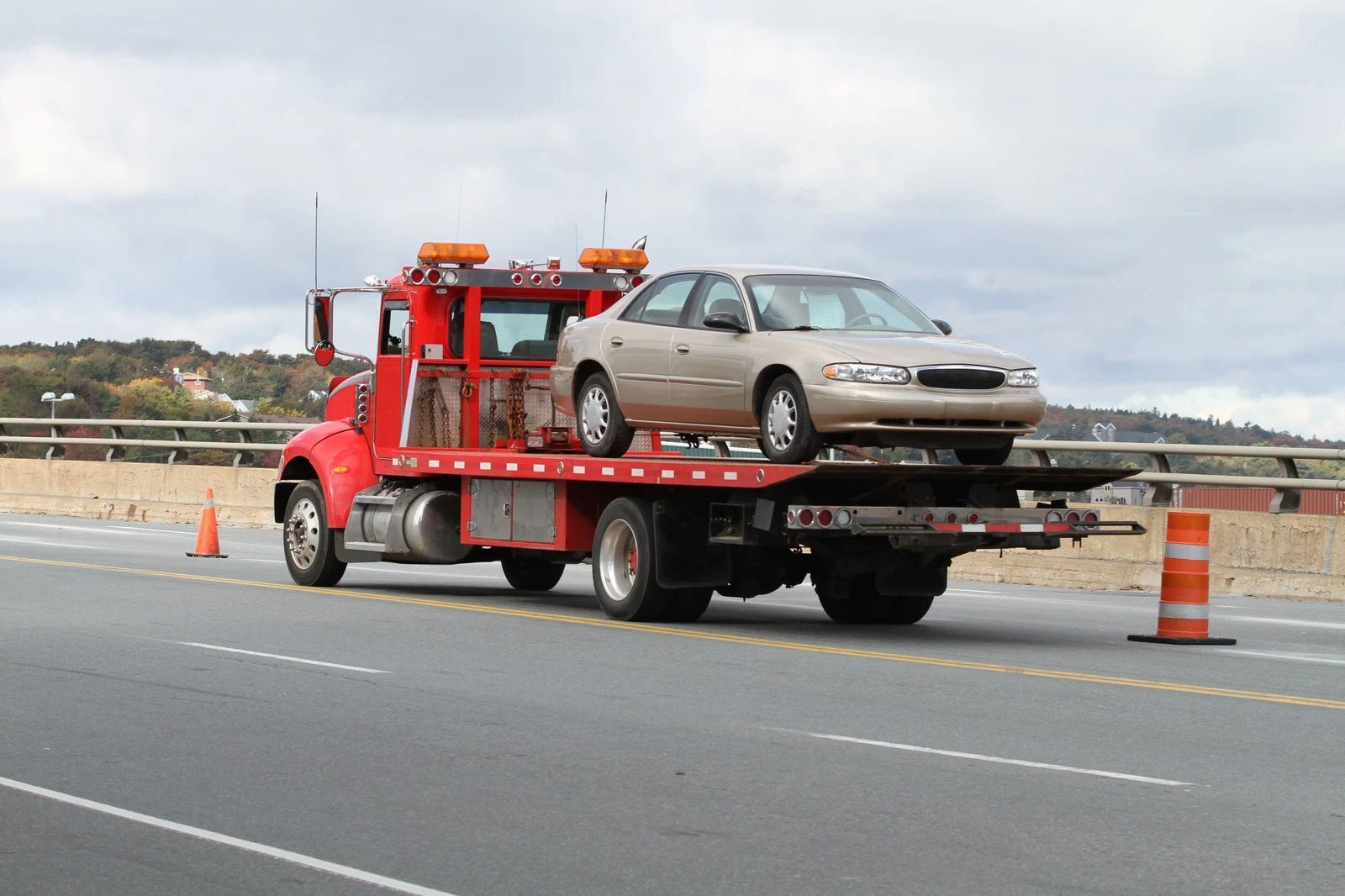
If you don't have cables or a jump box, and nobody nearby does either, that's when a roadside call makes more sense than waiting around hoping a stranger shows up. A technician who does this daily can tell within a minute or two whether it's a simple low-charge situation or something the jump won't solve, and they'll have the right gear either way, whether that means a proper jump, a full battery swap on the spot, or a tow to a shop if the issue runs deeper.
Frequently Asked Questions
Can a jump-start damage my car's electronics?
Modern vehicles are built to handle jump-starts safely as long as the cables are connected in the right order and the polarity is correct. Connecting the clamps backward, red to negative or black to positive, is what causes electrical damage, sometimes to the car's computer modules. That's one reason a lot of drivers prefer to have someone experienced handle the connection rather than guessing in a dark lot.
How long can I leave my car sitting before the battery dies again?
It depends on the battery's age and condition, but a healthy battery in a car that isn't driven for a week or two shouldn't need a jump. If your battery drains flat after just a few days of sitting, even with nothing obviously left on, that points to a parasitic drain somewhere in the electrical system pulling power while the car is off.
Is it normal for a battery to die in cold weather even if it's not that old?
Cold thickens the oil your engine needs to turn over and slows the chemical reaction inside the battery itself, so a battery that's on its way out often fails for the first time on a cold morning even though it seemed fine all summer. A battery near the end of its three-to-five-year lifespan is far more likely to fail once temperatures drop.
Why did my car start fine after a jump but die again the next day?
This pattern usually means the jump got you moving but the alternator never fully recharged the battery, or the battery itself can no longer hold a charge overnight. One successful jump followed by another failure within a day or two is a strong signal that a battery replacement, not another jump, is the actual fix.
Should I try jump-starting my car myself or call for help?
If you have working cables, a second vehicle, and know the correct connection order, a self-jump is usually safe for a simple low-charge situation. If you're unsure about the order, the battery looks damaged, or the car has died more than once recently, calling someone experienced avoids the risk of a bad connection or missing a bigger underlying problem.
Can extreme heat kill a battery the same way cold does?
Heat is actually harder on batteries over time than cold is. High temperatures speed up the internal chemical breakdown that shortens a battery's life, which is part of why batteries in hot climates often need replacing sooner than the same battery would in a cooler one, even though the failure often becomes obvious on the first cold morning of the season.
A Reliable Jump Starts With Knowing Why
A jump-start can get you moving again, but what happens afterward matters just as much as getting the engine running. Drivers throughout Bordentown and Hamilton, NJ, should watch for slow cranking, dim lights, repeated battery failures, or an engine that stalls shortly after starting. With Over a decade of experience, MPA Towing & Recovery understands how battery, alternator, starter, and electrical issues can produce similar symptoms, especially when a vehicle suddenly refuses to start.
When the battery simply lost its charge, a successful jump followed by steady driving may be enough to restore normal operation. When the problem returns, however, repeated jump-starts can leave you stranded again without addressing the underlying cause. Paying attention to the battery's age, charging performance, and how the vehicle behaves after starting can help distinguish a temporary drain from a developing electrical problem and make the next steps much clearer and easier to manage.