Locked Your Keys in a Running Car? What to Do Before You Panic
Quick Answer: If your keys are locked inside a car that is still running, stay calm and check three things first: whether anyone, including a child or a pet, is inside, whether the car is in park, and whether you are standing in a safe spot away from traffic. If a child or animal is in the vehicle, call 911 immediately. If the car is empty and in park, a running engine is not an emergency, so you can take a few minutes to try every door, the trunk release, and any spare key before calling a professional lockout service. A trained technician can open most vehicles without damaging the door, the window, or the lock.
It happens in the most ordinary moments. You pull into the lot at the Hamilton Marketplace, leave the engine running to keep the heat on while you grab one bag from the back seat, and push the door shut behind you. Then you hear the click. The keys are in the cup holder, the engine is humming, and every door is locked. On a cold October evening with the wind coming off the Delaware, that sound can turn a quick errand into a very long night.
The first thing to know is that you are not the first person this has happened to, and it is almost always fixable without breaking anything. The second thing is that a running car changes the situation in a few important ways. It is not necessarily worse than a standard lockout, but it does call for a different order of decisions. This guide walks you through them in the order that matters, the same way we would talk you through it over the phone.
Start With Who Is Inside
Before you think about the keys, look through the windows and count. Is anyone in the car? A child in a car seat, a toddler who followed you to the back seat, or a dog curled up on the floor changes everything about how fast you need to move.
If a child or an animal is inside a locked car, do not spend time on any of the steps below. Call 911 right away and tell the dispatcher your exact location. Emergency crews are trained and equipped for this, and they will tell you what to do while they are on the way. Stay beside the car, keep the person or animal calm if you can, and keep your phone in your hand.
If the car is empty, take a breath. A running engine with nobody inside is a nuisance, not a danger. That distinction matters because it means you have time to think, and the best lockout decisions are made slowly.
Check the Basics That People Miss When They Are Rattled
When your heart rate jumps, simple things get overlooked. Walk around the vehicle slowly and try each handle, including the rear doors and the hatch or trunk. Newer cars sometimes lock only the driver's door when you shut it with the fob inside, and a rear door can be left open.
Look at each window. A window that is open even half an inch can change what is possible. Check whether the trunk release or the rear seat pass through is within reach from the outside, since some sedans let you reach the cabin that way.
Then think about spare keys. Is there a second fob at home, with a family member, or at your workplace? If someone can bring it, that may be the fastest route, but keep the travel time in mind. A fob that is thirty minutes away means thirty minutes of an engine idling, and that brings us to the next question.
Tip: Before you make any calls, open the contacts and messages on your phone and check whether a family member has a spare key within a short drive. If they do, ask them to start heading over while you arrange a lockout visit as a backup. That way you are covered either way.
Why a Running Engine Changes the Picture
A running engine does a few things that a normal lockout does not. First, it keeps burning fuel the entire time you wait. A car idling for a half hour will not drain a full tank, but if you were already low on gas, that waiting time matters.
Second, it means the car may be sitting in drive or reverse if you were in a hurry when you hopped out. Always look at the gear indicator through the window. If the car is in park, you are fine. If it is in any other gear, keep your distance from the front and back of the vehicle and call for help right away, because a car in gear with the parking brake off can roll the moment the idle changes.
Third, a car left running is a car that can be driven away. In a busy lot or along a street in Trenton, an unattended running vehicle is an invitation. Stay within sight of the vehicle the whole time.
Finally, think about where the exhaust is going. Carbon monoxide is colorless and odorless, and it collects quickly in enclosed spaces. If you locked yourself out in a garage or a carport, step back and make sure the area is ventilated. If you are in an open lot or on the street, this is not a concern, but a closed garage with a running engine is something to treat seriously.
Keyless Ignition and the Fob Problem
Many cars on central New Jersey roads now use push button starters, and these create a particular version of this problem. Because the engine does not need a key turned to keep running, it is easy to walk away with the fob in your pocket, or leave it inside, and have the engine keep going.
Most newer vehicles warn you with a beep or a dashboard message when the fob leaves the cabin while the engine is on, but many people miss the alert in a noisy parking lot. If the fob is locked inside with the engine running, the car will usually continue to run until it is shut off or runs out of fuel. It will not restart once you turn it off without the fob nearby.
That is worth keeping in mind. If the car is in park and nobody is inside, shutting off the engine is not always possible from the outside, and you may need to wait for it to be opened before it can be turned off. Do not try to force the issue.
Warning: Never use a coat hanger, a screwdriver, a shim, or a wedge to try to open the door yourself. On modern vehicles the space inside the door panel holds wiring, side impact sensors, and lock linkages that are easy to damage. A scratched window seal or a bent latch can lead to wind noise, water leaks, and repairs that are far more bother than the original lockout.
What a Professional Lockout Visit Looks Like
When you call a roadside team, the dispatcher will ask for your location, the make and model of your vehicle, and whether anyone or anything is inside. They will also ask whether the engine is running and what gear the car is in. Answer plainly. That information helps them send the right technician and the right tools.
The technician arrives and checks the vehicle first. They look at the door type, the window, and the lock system. Then they use purpose built tools designed to open the vehicle without harming the door, the glass, or the paint. For many vehicles, including newer ones with advanced security systems, this is a matter of a few minutes of careful work.
Once the door is open, you can retrieve your keys, shut the engine off, and check that everything is working normally. You are free to drive away. There is no need to tow the car and no need to visit a dealer for a replacement key in the vast majority of cases.
If the lock itself is damaged or the key will not turn after the door is open, the technician can tell you what is going on and whether the problem needs a shop visit. Honest answers are part of the job.
When a Lockout Is Not Just a Lockout
Sometimes the locked door is a symptom of something else. A key fob with a failing battery can stop communicating with the car, and a door lock actuator that has started to fail can lock itself unexpectedly. If you find yourself locked out more than once in a few weeks, pay attention to the pattern.
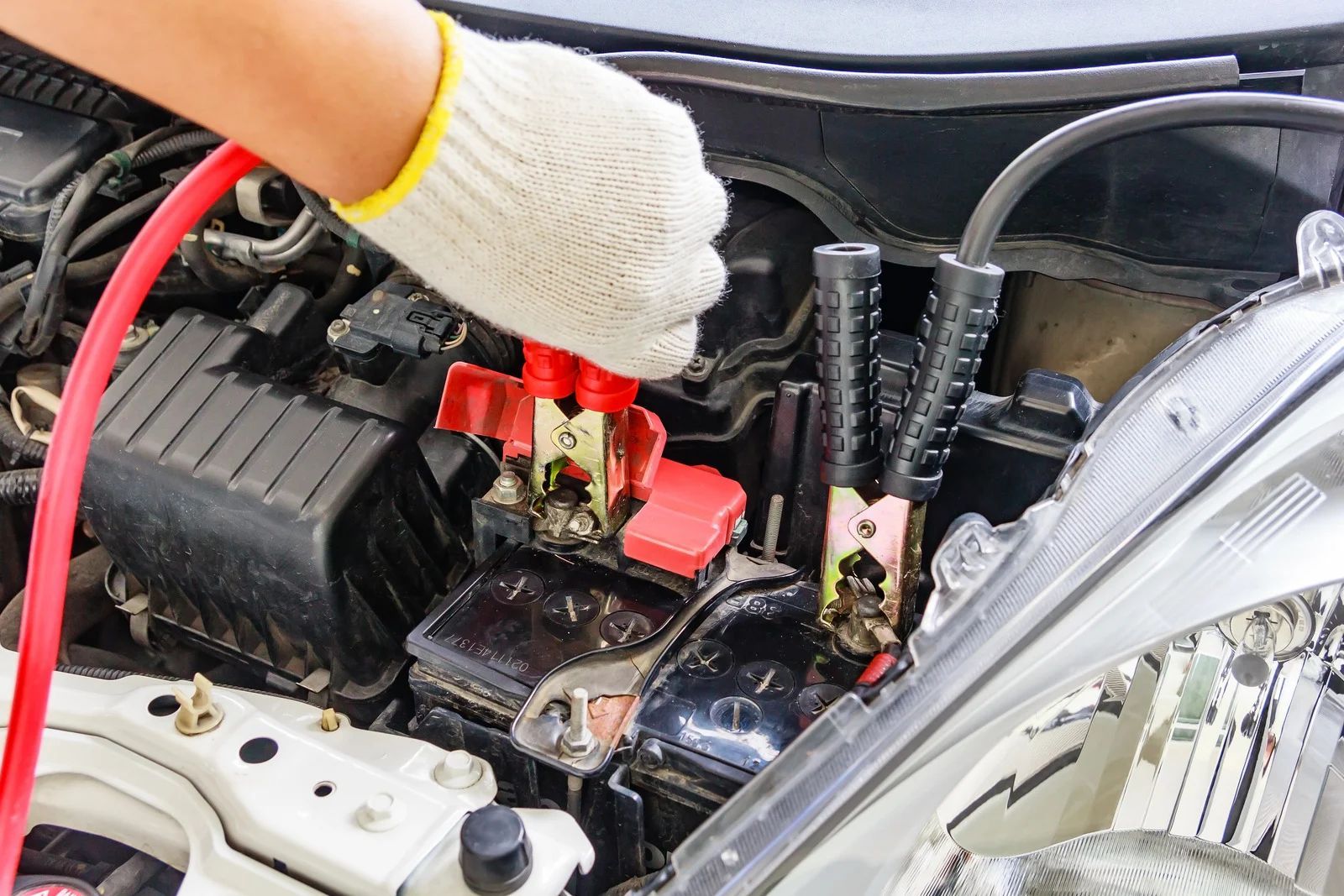
Another case is a car that is running but will not respond to any input, including the door handles and the key fob, because of an electrical fault. In that situation, a battery jump or a test of the charging system on the roadside may be the right next step. A roadside team that handles lockouts, jump starts, and tire changes can often sort this out in one visit without sending you elsewhere.
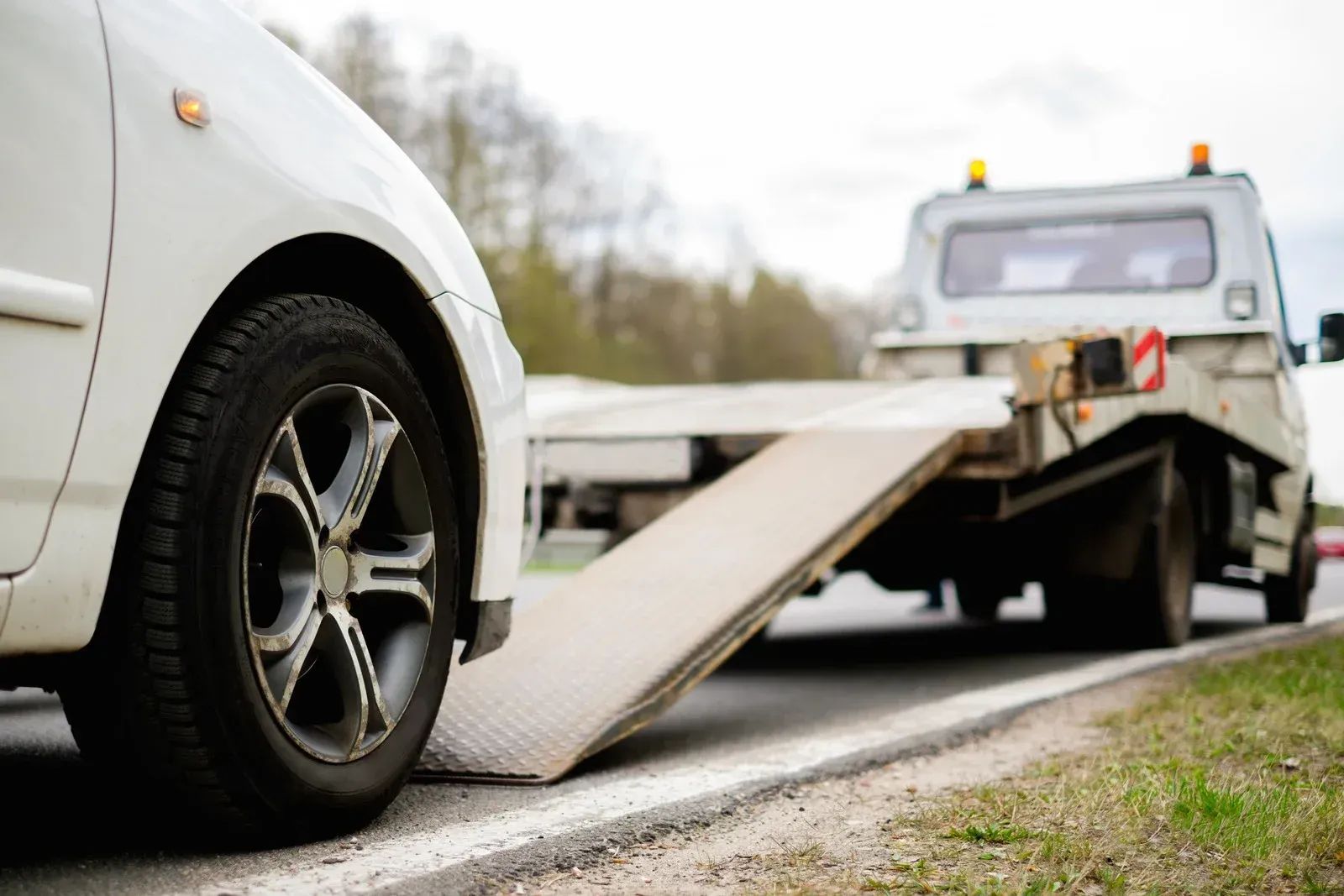
If the car cannot be fixed on the spot, the same team can tow it to a shop. That is one of the advantages of calling a company that does towing and roadside work together, since there is no handoff between two different services.
Staying Safe While You Wait
The waiting period is where most people make small mistakes, so a few simple habits are worth following.
Stand away from traffic. If you are on a busy road such as Route 130 or Route 33, stand well back from the lane, ideally beside a guardrail or on the sidewalk. Do not stand between your vehicle and moving traffic.
Keep your phone charged and in hand. If you left it inside the car, use a shop phone, ask a passerby, or find a business that can place the call for you. Give your location as precisely as you can, including the cross street, a landmark, or the nearest mile marker.
Stay warm. Central New Jersey evenings in October and November drop quickly, and a lockout that lasts an hour feels longer in a thin jacket. Step into a nearby store or restaurant if one is close, but keep the car in view.
Do not leave the area. It may be tempting to walk home for the spare key, but an unattended running car is a risk to you and to others, and leaving it can turn a simple lockout into a much bigger problem.
How to Keep This From Happening Again
Once you are back in the car, a few small habits can prevent a repeat.
Pick one place for your keys or fob and use it every time. A consistent habit, such as dropping them in the same pocket or clipping them to a bag, makes a lockout much less likely.
If your vehicle has a setting that locks the doors automatically when you shift out of park or when the car reaches a certain speed, check whether it also locks when you exit. Many cars let you turn off the auto lock on exit in the settings menu.
Consider keeping a spare key somewhere that is not the car, such as with a trusted neighbor or family member. A key hidden in a magnetic box under the bumper is a poor idea, since it can fall off or be found by someone else.
Finally, make it a routine to glance at the dashboard before you step out. If the engine is running and you did not mean to leave it that way, you will catch it before the door closes.
Frequently Asked Questions
Is it safe to leave my car running while I wait for help?
If nobody is inside, the car is in park, and you are in an open area, it is generally fine for the time it takes a technician to arrive. Keep it in view, and do not leave it running in a closed garage. If you are low on fuel, mention that when you call so the team can plan for it.
Can a locksmith open a car with a keyless ignition and a running engine?
Yes. Technicians who handle vehicle lockouts work with push button start cars regularly. The engine can keep running while the door is opened, and once you have the fob, you can shut it off the normal way.
Will opening the door damage my car?
A trained technician uses tools made for this work and takes care to protect the window, the seal, and the paint. Damage is rare when the work is done properly, which is the reason to avoid homemade methods such as hangers and wedges.
What if my child or pet is locked inside?
Call 911 first. Emergency responders can act faster and have the authority to do what is needed. Once they are on the way, you can also call a roadside team to assist, but the emergency line comes first.
How long does a lockout visit usually take?
Once the technician is on site, opening a standard vehicle often takes only a few minutes. The wait for arrival depends on your location and how busy the roads are, so give an accurate address when you call.
Should I call a tow truck or a roadside team?
For a plain lockout, a roadside technician is the right call, and a tow is not needed. If a team handles both services, they can switch to a tow if something else turns up, such as a dead battery or a damaged lock.
Stay Calm And The Fix Comes Quickly
You walked away from the car for a few seconds, and now you are standing in the cold looking at your own keys through the glass. It feels like a far bigger problem than it is. Check who is inside first, confirm the car is in park, stay well out of traffic, and resist the urge to pry at the door with a hanger or a wedge. A running engine is a nuisance, not an emergency, as long as nobody is locked inside.
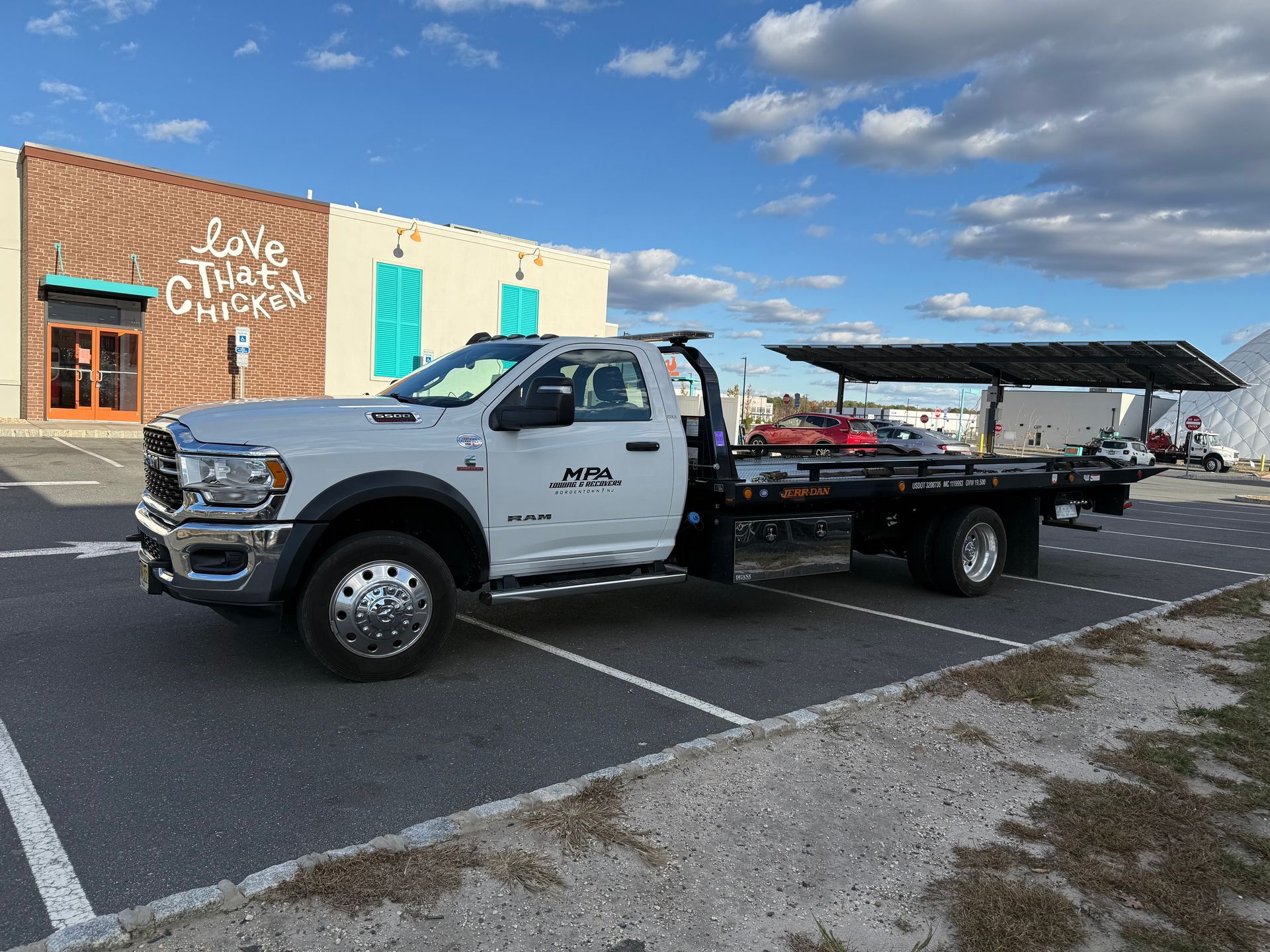
MPA Towing & Recovery
has spent Over a decade
answering this exact call across Bordentown and Hamilton, NJ, where a quick errand on a cold evening turns into a
lockout
more often than people expect. A trained technician opens most vehicles in minutes without scratching the glass or bending a latch, and can jump a dead battery or tow the car on the same visit if something else turns up. A calm start and the right help put you back behind the wheel soon.