What to Do If Your Car Breaks Down on the Highway
A car breakdown on the highway is every driver’s nightmare. The sudden loss of mobility, combined with the fast-paced environment of highways, can create a stressful and potentially dangerous situation. Whether it’s a flat tire, engine failure, overheating, or a dead battery, the inability to continue driving safely demands immediate attention and a well-thought-out response. Understanding how to react calmly and efficiently is crucial not only for personal safety but also for minimizing further damage to your vehicle and preventing traffic accidents.
Being prepared for a highway breakdown extends beyond having a roadside assistance membership or a spare tire in the trunk. It involves awareness, quick decision-making, and knowledge of safety protocols. Drivers who know the proper steps to take can protect themselves, passengers, and other road users while ensuring that help arrives promptly. This blog will guide you through the essential actions to take if your vehicle fails while traveling on a highway. By following practical tips, safety strategies, and expert advice, you can transform a stressful breakdown scenario into a manageable, controlled experience, safeguarding both your well-being and your vehicle’s condition.
1. Stay Calm and Assess the Situation
Recognizing the Signs of a Breakdown
The first step when your vehicle starts to fail is to remain calm. Panic can impair judgment and delay critical decision-making. Signs of an impending breakdown may include unusual engine noises, smoke, warning lights on your dashboard, difficulty steering, or sudden loss of power. Being alert to these indicators allows you to act quickly and reduce the risk of an accident.
Immediate Safety Measures
Once a problem is evident, safely maneuver your vehicle to the shoulder or as far away from traffic as possible. Activate your hazard lights immediately to alert other drivers of your presence. If available, use reflective warning triangles or flares to enhance visibility, especially at night or during adverse weather conditions. Staying inside the vehicle while waiting for help is often safer than stepping onto the roadway unless it is safer to exit due to immediate danger.
Evaluating the Vehicle’s Condition
Quickly assess the severity of the issue. Can it be temporarily managed to move to a safer location, or is professional assistance necessary? For example, a minor tire issue may allow you to reach an exit safely, whereas engine overheating or transmission failure requires immediate roadside support. Knowing the nature of the problem helps you make informed decisions and communicate effectively with emergency responders.
Expert Insight: Many highway accidents occur not because of the breakdown itself, but due to improper handling after the vehicle stops. Remaining calm, alerting other drivers, and positioning your vehicle safely can prevent secondary incidents.
2. Communicate and Request Help
Contacting Emergency Services
If you cannot resolve the issue independently, contact roadside assistance or local authorities immediately. Providing clear and concise information is critical. Include your exact location using mile markers, nearby exits, or GPS coordinates, describe the vehicle type and color, and explain the problem. Prompt communication ensures that help arrives quickly and efficiently.
Using a Mobile Device Safely
Make sure your vehicle is safely off the road before using your phone. Dial the emergency hotline or your roadside assistance provider without risking personal safety. If cell reception is weak, use alternative methods such as flashing hazard lights to signal passing authorities.
Informing Family or Friends
For added safety, let a trusted contact know about your situation. Sharing your location and status ensures someone is aware in case of delays or unexpected complications.
Benefits of Preparedness
Having a list of emergency contacts, roadside assistance numbers, and vehicle insurance information readily accessible saves valuable time during a breakdown. This preparation reduces stress, ensures a coordinated response, and facilitates faster recovery.
Real-World Scenario: A driver in New Jersey experienced a sudden battery failure late at night. Because they stayed calm, activated hazard lights, and contacted roadside assistance with precise location details, a tow truck arrived in under 20 minutes, avoiding potential highway collisions.
3. Ensure Personal Safety
Staying Inside the Vehicle
When stranded on a busy highway, your primary concern should be personal safety. Remaining inside your vehicle with seatbelts fastened is often the safest option, especially if traffic is heavy. Position passengers away from oncoming lanes whenever possible.
Exiting the Vehicle Safely
If leaving the vehicle is necessary—such as smoke from the engine or fire hazards—exit from the side away from traffic. Use a flashlight or reflective gear in low visibility conditions to alert drivers. Avoid standing directly behind or in front of the vehicle.
Using Safety Equipment
Keep essential safety items in your car, including high-visibility vests, flares, and a first aid kit. These tools can prevent accidents and provide immediate aid if minor injuries occur during the breakdown.
Mental Preparedness
Highway breakdowns can trigger anxiety and panic, potentially leading to unsafe decisions. Practice deep breathing and focus on problem-solving rather than fear. Remaining composed allows for a measured, methodical response to challenges.
Expert Reasoning: Studies indicate that highway fatalities during breakdowns are often due to unsafe exits and proximity to moving traffic rather than the mechanical issue itself. Safety awareness and preparedness can significantly reduce risk.
4. Temporary Fixes and Vehicle Management
Evaluating Minor Issues
Some breakdowns can be temporarily managed to move the vehicle to a safer location. Flat tires, minor overheating, or empty fuel tanks may be addressed if you have the proper tools and knowledge. Always follow the manufacturer’s guidelines and safety precautions when attempting on-the-spot fixes.
Tire Changes and Repairs
If a flat tire is the cause, use a spare or emergency tire repair kit. Ensure the car is on level ground, apply the parking brake, and use jack stands properly. Replace the tire carefully and inspect the other tires for potential issues before continuing.
Handling Overheating and Fluid Issues
For engine overheating, turn off the engine and allow it to cool completely before checking coolant levels. Avoid opening the radiator cap while hot. For minor oil or fluid leaks, temporary sealants or roadside fluid kits can provide short-term solutions to safely move the vehicle off the highway.
Fuel Shortages
Running out of gas is a common yet preventable issue. If stranded, use a fuel container safely or request roadside fuel delivery. Keep an emergency fuel supply in the vehicle for remote highway travel.
Best Practice: Even when minor issues seem manageable, weigh the risks of continued travel versus waiting for professional assistance. Expert intervention is always safer than attempting complex repairs on a busy highway.
5. Roadside Assistance and Towing
Calling a Tow Service
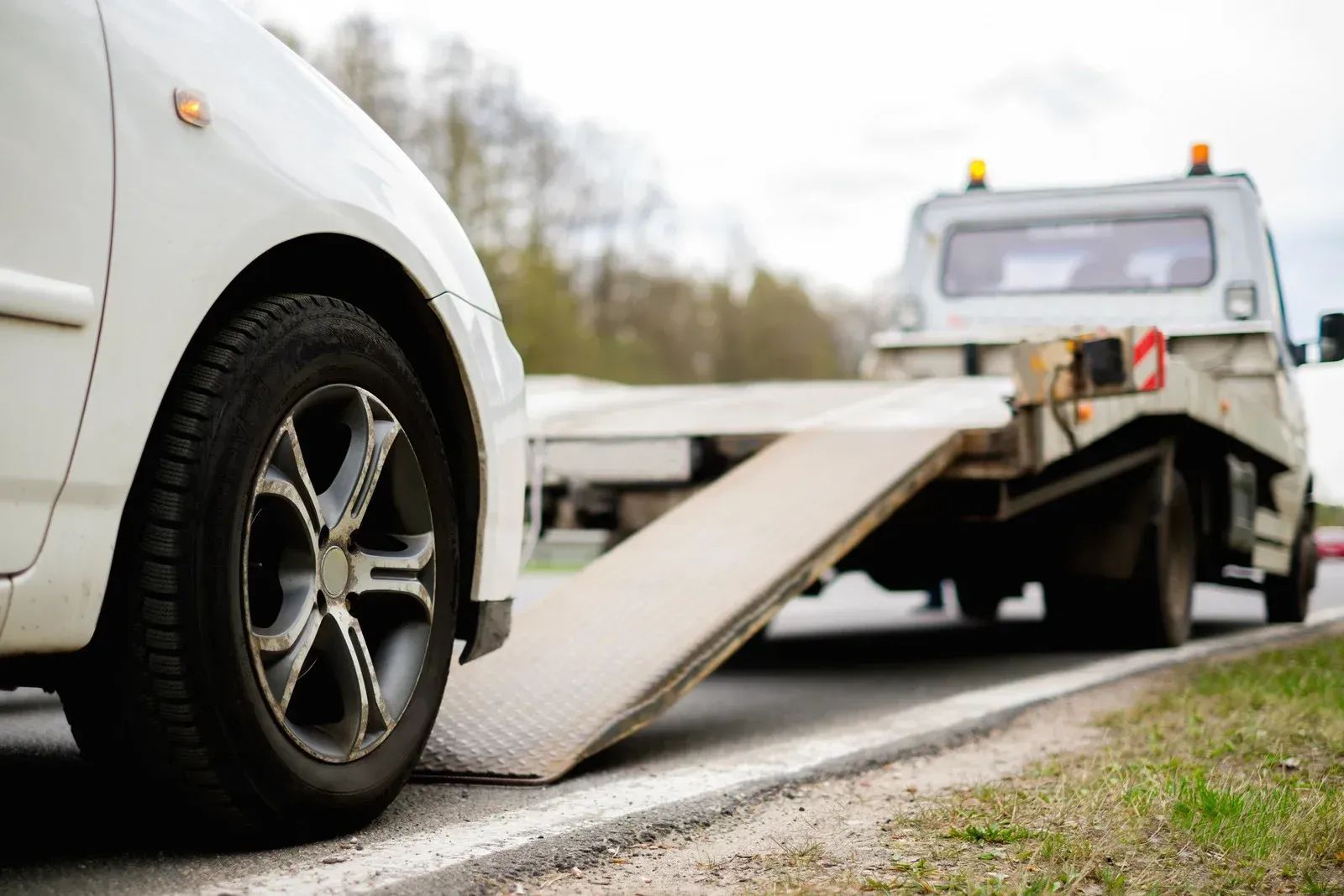
When the vehicle cannot be driven safely, professional towing is the safest solution. Tow services have the equipment and expertise to remove vehicles from highways without endangering drivers or other motorists. Always provide the operator with accurate details about your vehicle’s condition, location, and any immediate hazards.
Choosing a Reliable Service
Not all towing companies operate with the same level of professionalism. Look for licensed, insured, and experienced providers. Verified reviews and roadside assistance memberships often indicate trustworthy service.
Towing Safety Tips
While waiting, remain in a safe area away from traffic. Do not attempt to follow or direct tow operators on your own, as this can create additional hazards. Communicate clearly and follow their guidance.
Benefits of Professional Assistance
Using professional roadside services minimizes further damage to your vehicle, reduces personal risk, and expedites the resolution. Professionals can provide additional services such as battery replacement, tire changes, or fuel delivery on the spot, saving both time and money.
Example Scenario: A motorist faced a transmission failure on a congested New Jersey highway. They contacted a trusted towing service, followed safety instructions, and had the vehicle safely transported to a repair shop, avoiding expensive secondary damage and ensuring personal safety.
6. Prevention Strategies
Routine Vehicle Maintenance
Many highway breakdowns are preventable through proactive maintenance. Regular oil changes, brake inspections, tire rotations, and battery checks reduce the likelihood of sudden failures. Follow the manufacturer’s maintenance schedule for your specific vehicle.
Emergency Preparedness
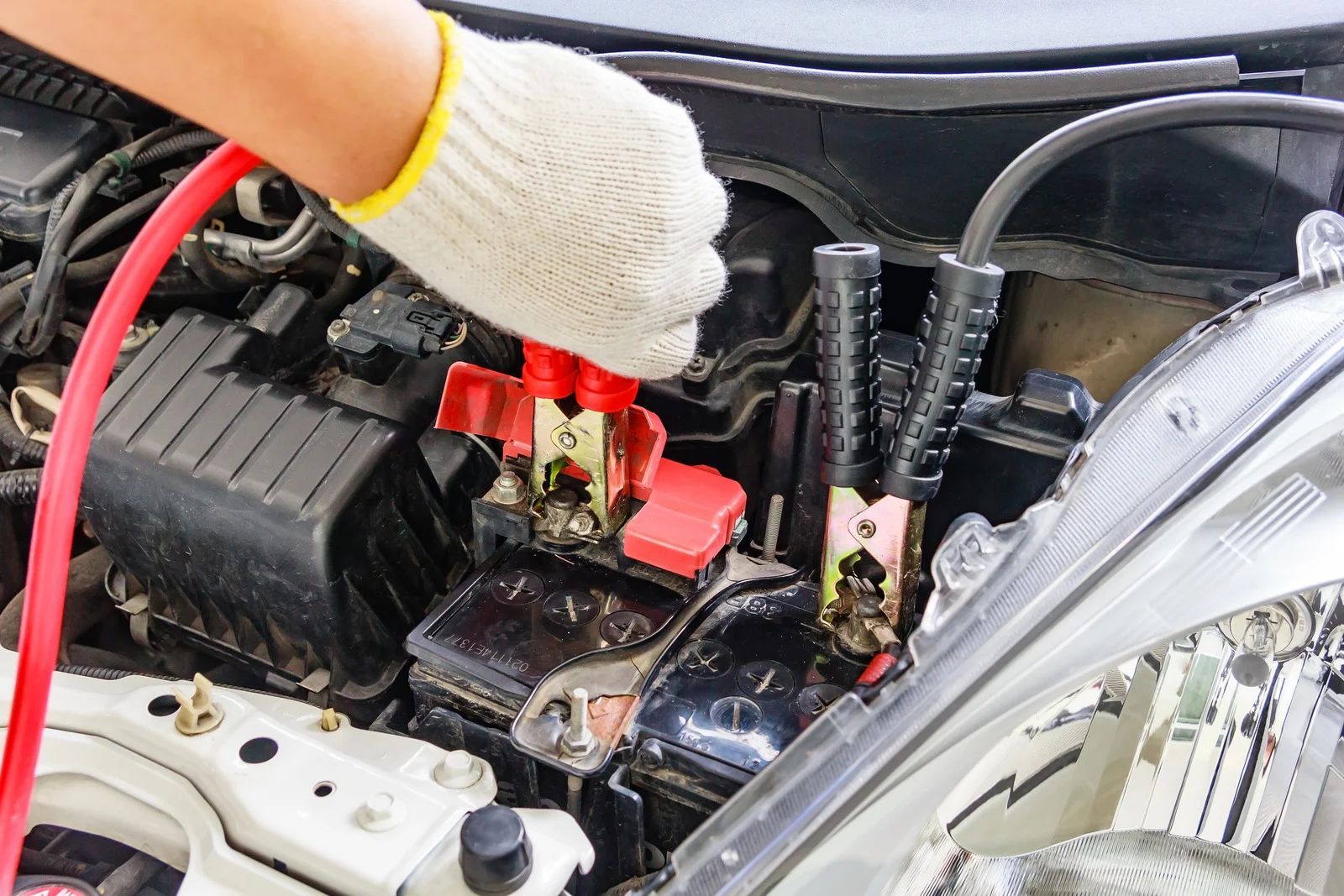
Equip your car with a roadside emergency kit, including tools, jumper cables, flashlight, first aid items, flares, and reflective clothing. Keep all essential phone numbers, insurance, and registration documents accessible.
Driving Awareness
Monitor vehicle performance during long trips. Strange noises, warning lights, or unusual smells should never be ignored. Pull over safely to investigate issues before they escalate.
Planning Ahead
When traveling on highways, identify nearby exits, service stations, and rest areas. Staying informed about your route allows for proactive measures if a breakdown occurs.
Best Practice: Combining routine maintenance with emergency preparedness ensures you can respond effectively to breakdowns, reducing stress and avoiding costly damages.
Key Takeaways for Handling Highway Car Breakdowns
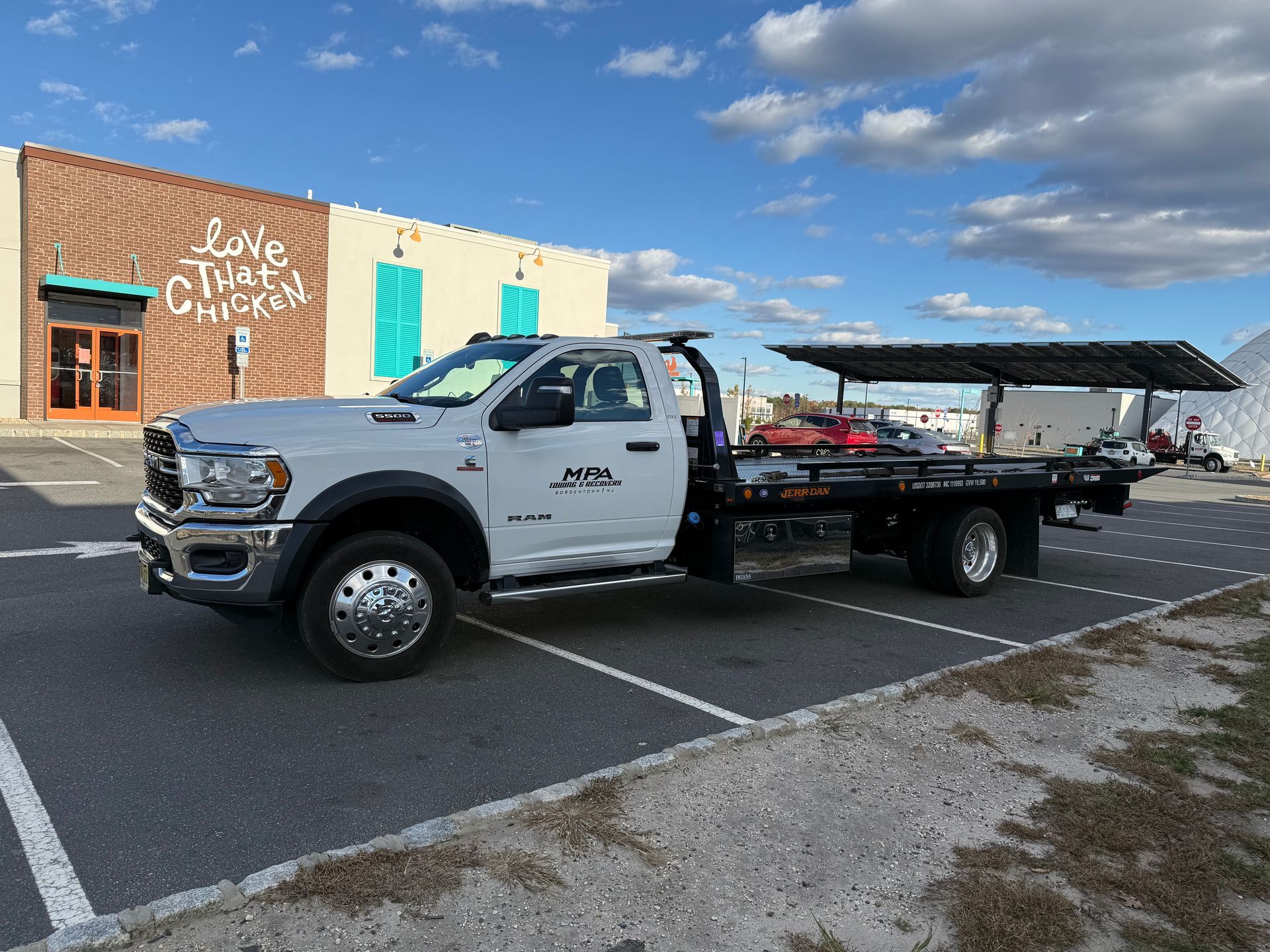
When a breakdown occurs, having a reliable partner in roadside assistance makes all the difference. MPA Towing & Recovery, serving the Bordentown and Hamilton areas of New Jersey, has built a reputation over a decade for dependable, professional, and rapid response. Our team understands the urgency of highway breakdowns and is equipped with the experience and tools necessary to handle a wide range of vehicle issues, from minor mechanical problems to full towing requirements.
We prioritize safety, efficiency, and customer satisfaction, ensuring every client receives clear guidance and prompt assistance. Whether it’s tire changes, battery jump-starts, or full-scale towing, MPA Towing & Recovery
delivers solutions that prevent further damage and restore peace of mind. Drivers can trust our trained professionals to arrive quickly, assess the situation accurately, and provide the best course of action. With a commitment to excellence and Over a decade
of hands-on experience, we are the trusted authority for anyone facing a car breakdown on the highway. Choosing MPA Towing & Recovery
means choosing safety, expertise, and peace of mind every mile of the journey.